

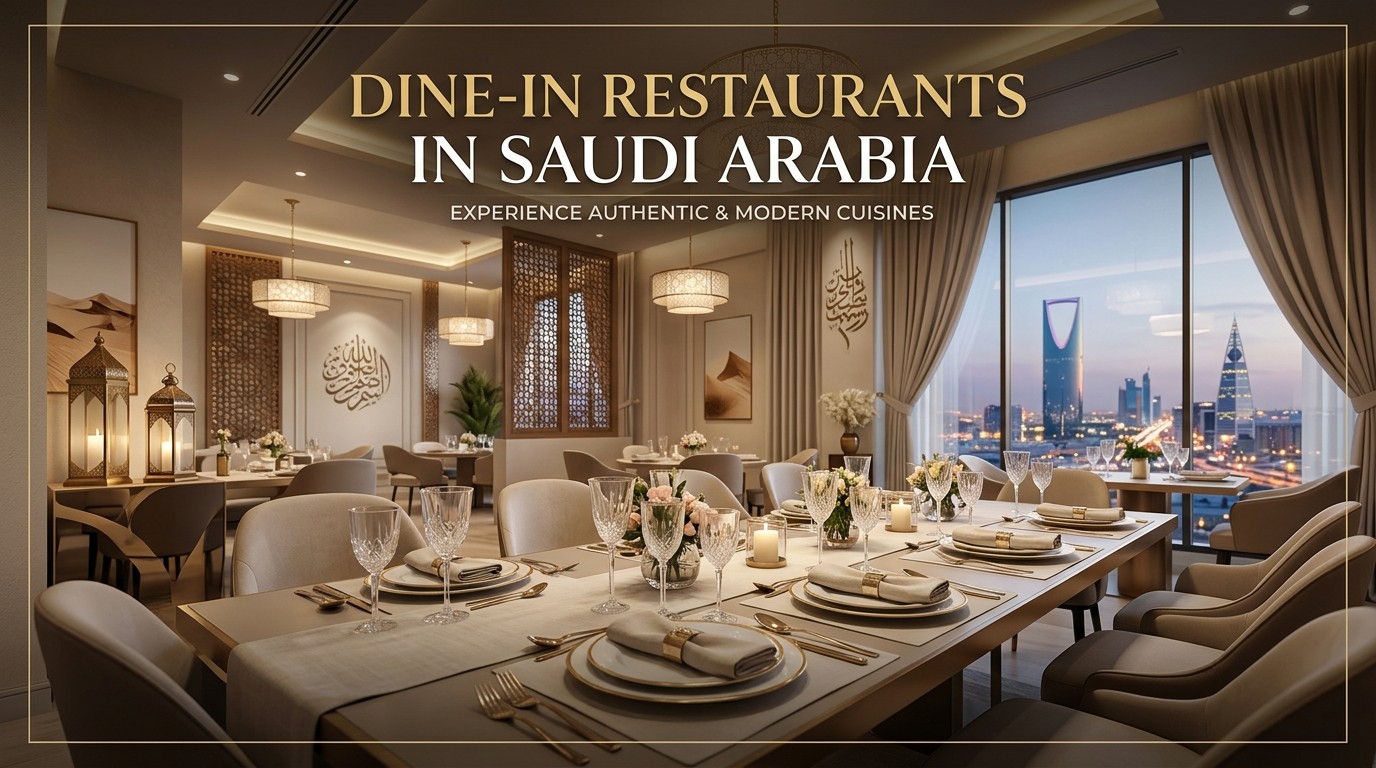
Technology is changing the way people enjoy dining, and restaurants across Saudi Arabia are embracing digital solutions to provide faster, more convenient, and more personalized customer experiences. While delicious food and warm hospitality remain the foundation of every successful restaurant, modern technology is helping restaurants improve reservations, ordering, payments, and customer service without taking away the personal touch that guests value.
Today, Dine-in Restaurants in Saudi Arabia are investing in digital tools that simplify the entire dining journey, from booking a table to paying the bill. Whether you are visiting with family, meeting business clients, or celebrating a special occasion, technology helps create a smoother and more enjoyable experience. As Saudi Arabia continues its digital transformation in 2025, restaurants are adopting innovative solutions that improve operational efficiency while enhancing customer satisfaction.
Why Technology Is Becoming Essential for Restaurants
Customer expectations have changed significantly over the past few years. Diners now expect quick service, easy reservations, flexible payment options, and accurate orders. Restaurants that rely only on traditional processes may struggle to meet these growing expectations during busy hours.
Technology helps restaurants
- Reduce waiting times
- Improve service accuracy
- Simplify reservations
- Enhance communication
- Speed up payment
- Improve overall customer satisfaction
By automating routine tasks, restaurant staff can focus more on providing excellent hospitality.
Online Table Reservations Make Dining Easier
One of the most noticeable improvements in Dine-in Restaurants in Saudi Arabia is the growing use of online reservation systems. Instead of calling the restaurant, customers can reserve a table within minutes using a website or mobile application.
Benefits of online reservations include
- Faster booking process
- Immediate reservation confirmation
- Reduced waiting times
- Better seating management
- Easier planning for families and groups
Restaurants also benefit by managing customer flow more efficiently during busy periods.
Digital Menus Improve Convenience
Printed menus are gradually being replaced or supported by digital alternatives. Many restaurants now provide QR code menus that customers can access using their smartphones.
Digital menus offer several advantages
- Instant menu updates
- Clear food descriptions
- Ingredient information
- Allergy details
- Multiple language options
- Better accessibility for visitors
Updating digital menus is also faster and more cost effective than printing new menus.
Smart Table Management Reduces Waiting Time
Restaurant management software helps staff monitor available tables and organize seating more efficiently.
These systems support
- Real time table availability
- Reservation tracking
- Waiting list management
- Guest seating optimization
- Faster table turnover
As a result, customers spend less time waiting and more time enjoying their meals.
Digital Ordering Improves Accuracy
Many restaurants now use electronic ordering systems that send customer orders directly to the kitchen.
Digital ordering helps reduce
- Manual entry mistakes
- Communication errors
- Delays between staff and kitchen
- Incorrect food preparation
This creates a smoother workflow while improving the overall dining experience.
Contactless Payments Increase Convenience
Modern payment technology has simplified the checkout process in many restaurants.
Common payment options include
- Contactless debit cards
- Credit cards
- Mobile payment applications
- Digital wallets
- QR code payments
Customers can complete payments quickly while enjoying greater flexibility and convenience.
Restaurant Management Software Supports Better Service
Many Dine-in Restaurants in Saudi Arabia use integrated restaurant management systems to coordinate daily operations.
These platforms help manage
- Reservations
- Table assignments
- Billing
- Inventory
- Staff scheduling
- Customer records
Centralizing operations allows restaurants to deliver more consistent service while improving efficiency.
Customer Feedback Helps Restaurants Improve
Technology makes it easier for restaurants to collect customer opinions after every visit.
Digital feedback systems allow customers to share their experiences regarding
- Food quality
- Customer service
- Restaurant cleanliness
- Waiting times
- Overall satisfaction
Restaurant managers can review this information to identify areas for improvement and maintain high service standards.
Comparing Traditional and Technology Driven Dining
| Dining Activity | Traditional Method | Technology Enabled Method |
|---|---|---|
| Table Reservation | Telephone booking | Online reservations |
| Menu Viewing | Printed menu | QR code menu |
| Order Processing | Manual communication | Digital ordering system |
| Payment | Cash and card | Contactless and digital payments |
| Customer Feedback | Paper forms | Digital surveys |
| Restaurant Management | Manual tracking | Integrated management software |
Technology simplifies restaurant operations while preserving the personal hospitality customers appreciate.
Personalized Dining Experiences
Modern restaurant technology allows businesses to better understand customer preferences.
Restaurants can use reservation history and customer feedback to
- Recommend favorite dishes
- Remember dietary preferences
- Improve future reservations
- Offer personalized services for special occasions
These improvements help create more memorable dining experiences without replacing personal interaction.
Technology Improves Restaurant Safety
Digital systems also contribute to safer and more organized restaurant operations.
Examples include
- Inventory management systems
- Temperature monitoring
- Secure payment processing
- Digital staff scheduling
- Food preparation tracking
These tools help restaurants maintain quality standards while improving customer confidence.
Technology Trends Shaping Dine-in Restaurants in Saudi Arabia in 2025
The restaurant industry continues adopting new digital solutions to improve efficiency and customer satisfaction.
Several trends are influencing Dine-in Restaurants in Saudi Arabia during 2025.
Artificial Intelligence for Restaurant Operations
Artificial intelligence is helping restaurants forecast customer demand, optimize staffing, and improve inventory management.
Smart Reservation Systems
Advanced reservation platforms automatically manage table availability, waiting lists, and customer notifications.
Contactless Customer Experiences
Digital menus, online ordering, and cashless payments continue making restaurant visits faster and more convenient.
Sustainable Restaurant Technology
Digital receipts, electronic menus, and inventory monitoring help reduce paper waste and improve operational efficiency.
Integrated Restaurant Platforms
Restaurants are increasingly connecting reservations, billing, kitchen management, customer information, and reporting into one centralized system.
Why Technology Benefits Both Customers and Restaurants
Technology does not replace hospitality. Instead, it supports restaurant staff by reducing repetitive tasks and improving operational efficiency. Employees can spend more time assisting customers while digital systems manage reservations, orders, payments, and reporting.
For customers, these improvements create shorter waiting times, more accurate orders, convenient payment options, and a smoother dining experience from arrival to departure.
Final Thought
Dine-in Restaurants in Saudi Arabia are using technology in 2025 to make dining more convenient, efficient, and enjoyable while preserving the hospitality that customers expect. Online reservations, digital menus, contactless payments, smart restaurant management systems, and personalized customer experiences are helping restaurants meet the needs of modern diners. As digital innovation continues to shape Saudi Arabia's hospitality industry, technology will remain an important part of delivering high quality dining experiences that combine convenience with exceptional service.