

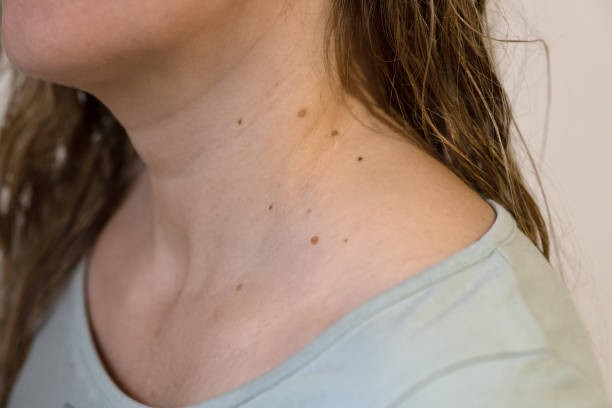
Unwanted skin growths can become noticeable on areas such as the neck, underarms, eyelids, and other parts of the body where skin experiences repeated friction. Skin tags are usually harmless, but they may sometimes cause irritation or become a cosmetic concern. Skin tag removal (ازالة الزوائد الجلدية) in Riyadh can provide a professional way to manage unwanted skin tags after their appearance and characteristics have been properly assessed.
Many people consider treatment when a skin tag repeatedly catches on clothing, jewelry, or other surfaces, while others simply want a smoother-looking skin surface. Skin tag removal in Riyadh focuses on addressing existing unwanted growths while taking the location, size, and condition of the skin into consideration. Professional evaluation is important because not every skin growth is necessarily a skin tag.
What Are Unwanted Skin Growths?
Skin growths can appear in many forms and may differ in size, texture, color, and shape. Skin tags are typically soft, flesh-colored growths that may hang slightly from the skin.
Common Skin Tag Characteristics
Skin tags are often small and flexible and commonly develop in areas exposed to friction. They can occur as a single growth or several growths in the same region.
Why They Can Become a Concern
Although usually harmless, skin tags may become bothersome when they are visible, repeatedly irritated, or located in areas where they frequently catch on clothing or accessories.
Why Do People Consider Skin Tag Removal?
Treatment is not always necessary for a harmless skin tag, but removal may be considered for cosmetic or practical reasons.
Improving Skin Appearance
A prominent skin tag can make the skin appear less smooth or even. Removing an unwanted growth may help create a cleaner-looking surface.
Reducing Irritation
Skin tags located in areas of frequent friction may become irritated. Professional removal can address the growth that is repeatedly causing the problem.
Managing Visible Growths
Some people prefer to remove skin tags from exposed areas such as the neck or face because they feel self-conscious about their appearance.
What Causes Skin Tags to Develop?
The exact reason some people develop skin tags is not always clear. Several factors may contribute to their formation.
Repeated Skin Friction
Areas where skin rubs against skin or clothing are common locations for skin tags. Continuous friction may contribute to their development.
Individual Skin Characteristics
Genetics and individual tendencies can influence how frequently a person develops skin tags.
Changes in the Body
Certain hormonal or physical changes may be associated with the appearance of skin tags in some individuals.
Why Is Professional Assessment Important?
Before treating an unwanted growth, it is important to confirm what the growth actually is. A professional can assess its appearance and determine whether it has characteristics consistent with a typical skin tag.
Examining the Growth
The size, shape, color, texture, and location may all be considered during an assessment.
Identifying Unusual Changes
A growth that changes noticeably, bleeds, becomes painful, or looks unusual should be professionally evaluated rather than immediately treated as a cosmetic skin tag.
Common Areas for Skin Tag Management
Skin tags can occur almost anywhere, but some areas are more commonly affected because of repeated friction.
Neck
Collars, jewelry, and natural skin movement can cause repeated contact around the neck, making this a common location for skin tags.
Underarms
The underarms experience frequent movement and skin-to-skin contact, which may contribute to irritation around existing skin tags.
Eyelids and Facial Areas
Skin tags can sometimes appear around delicate facial areas. Because these regions require extra care, professional assessment is especially important.
What Treatment Considerations Are Important?
The appropriate approach can depend on the individual growth and the area being treated.
Size and Location
Small growths in easily accessible areas may require different considerations from larger growths or those located near sensitive structures.
Number of Growths
A person may have one unwanted skin tag or several. The treatment plan can be adjusted according to the number and location of the growths.
Skin Sensitivity
Individual skin characteristics may influence treatment and aftercare recommendations.
What Happens After Removal?
After treatment, the area may temporarily appear red or sensitive. A small scab can also develop as the skin naturally repairs itself.
Allow Natural Healing
Avoid picking, scratching, or pulling at the treated area. Allowing the skin to heal naturally can reduce unnecessary irritation.
Follow Aftercare Instructions
Professional aftercare recommendations should be followed carefully. The appropriate routine can vary according to the treatment method and location.
How Can You Protect Treated Skin?
Simple skincare habits can help maintain the treated area while it recovers.
Reduce Friction
Avoid clothing, jewelry, or other items that repeatedly rub against the healing area.
Use Gentle Skincare
Harsh exfoliation and irritating products may not be suitable for recently treated skin. Follow professional guidance about when normal skincare can resume.
Protect Exposed Areas
If the treated area is exposed to sunlight, follow appropriate sun-protection advice during the healing period.
Can New Skin Tags Develop After Treatment?
Removing an existing skin tag does not guarantee that new growths will never appear. A new skin tag can develop because the factors that contributed to its formation may still be present.
New Growths Are Possible
A growth appearing near a previously treated area may be a new skin tag rather than a return of the original one.
Monitor New Changes
Any new growth that looks unusual or changes over time should be assessed professionally before treatment is considered.
When Should an Unwanted Growth Be Evaluated?
Not every unusual skin growth should be removed without assessment. Professional evaluation is especially important when a growth changes rapidly or develops symptoms.
Changes in Color or Shape
Significant changes should be checked rather than assumed to be normal.
Bleeding or Pain
A growth that repeatedly bleeds, becomes painful, or develops other unusual symptoms deserves professional attention.
Managing Unwanted Skin Growths Safely
Skin tag removal in Riyadh can help manage unwanted skin tags while allowing the treated area to be evaluated and cared for appropriately. Professional treatment can be particularly useful when a growth is visible, repeatedly irritated, or affecting confidence. Avoiding home cutting, pulling, or unverified removal products can help reduce unnecessary skin injury.
Book an Appointment for Skin Tag Removal
If you have an unwanted skin growth and are considering professional removal, an assessment can help determine whether it is suitable for treatment and what care may be appropriate. Royal Clinic Saudi (عيادات رويال كلينك) provides professional skin and aesthetic services in Riyadh with treatment plans tailored to individual needs.
FAQs:
Are all unwanted skin growths skin tags?
No. Different types of skin growths can look similar, so professional assessment is important.
Why do skin tags develop?
Friction, genetics, and individual skin characteristics may contribute to their development.
Can skin tags be removed at home?
It is better to avoid cutting, pulling, or using unverified products because these methods can injure the skin.
Can skin tags develop again after removal?
New skin tags can develop after treatment, although this does not necessarily mean the original growth has returned.