

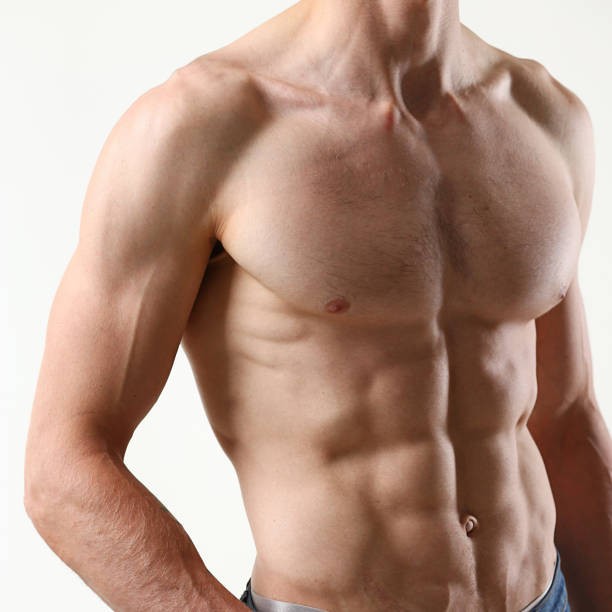
Male chest enlargement can involve different types of tissue, including glandular tissue, excess fat, or loose skin. Because these concerns can appear together or separately, treatment needs to be based on the individual's chest structure. Gynecomastia surgery in Riyadh may involve targeted tissue removal and contouring techniques designed to create a flatter and more proportionate chest appearance.
The purpose of treatment is not simply to remove as much tissue as possible. Careful planning focuses on creating a natural-looking contour that complements the patient's overall physique. Gynecomastia surgery in Riyadh can therefore involve different approaches depending on the amount of glandular tissue, fatty deposits, skin elasticity, and existing chest symmetry.
What Types of Tissue Can Be Treated?
Glandular Tissue
Glandular tissue is typically firmer than ordinary body fat and may create a noticeable fullness beneath the nipple or areola. When this tissue contributes significantly to chest enlargement, direct surgical removal may be considered as part of the treatment plan.
Excess Fat
Fatty tissue can contribute to a soft or rounded chest appearance. Liposuction may be used to reduce localized fat and help create smoother transitions between the chest and surrounding areas.
Loose or Excess Skin
Skin elasticity can be affected by aging, significant weight changes, or long-standing chest enlargement. When excess skin is present, the treatment plan may need to account for how the skin will adapt to the newly contoured chest.
How Tissue Removal Supports Chest Definition
Removing excess tissue can help reduce unwanted fullness and create a flatter chest profile. However, the amount and location of tissue removal must be carefully considered. Excessive removal may affect the natural appearance of the chest, while insufficient treatment may leave unwanted fullness.
The objective is to achieve a balanced contour rather than simply reducing chest volume. The medical provider evaluates the individual's anatomy and determines which areas require attention to support a proportionate result.
The Role of Liposuction in Contouring
Reducing Localized Fat
Liposuction can target areas where excess fatty tissue contributes to chest fullness. It may help refine the outer chest and surrounding areas while improving the transition between the chest and torso.
Creating Smoother Contours
Contouring involves more than removing tissue from one specific area. The surrounding chest region may also need to be considered so that the treated area blends naturally with the rest of the upper body.
When Glandular Tissue Removal May Be Needed
Liposuction alone may not adequately address firm glandular tissue. When this type of tissue is a major contributor to chest enlargement, direct removal may be considered.
The appropriate technique depends on the individual's anatomy and the location of the tissue. A detailed assessment helps determine whether glandular tissue removal, liposuction, or a combination of approaches is appropriate.
Combining Tissue Removal Techniques
Some men have multiple types of tissue contributing to chest enlargement. For example, glandular tissue may be present beneath the nipple while excess fat extends across the surrounding chest. In such cases, combining techniques can provide a more comprehensive approach.
A combination approach can address different sources of fullness while allowing the chest to be contoured more evenly. The exact techniques used should be determined during an individualized medical assessment.
The Importance of Chest Symmetry
Chest symmetry is another important consideration during treatment planning. One side may have more tissue or a different contour than the other. Although perfect symmetry cannot always be achieved, careful planning can help improve noticeable differences.
The medical provider may evaluate the position of the nipples, tissue distribution, skin quality, and overall chest shape when developing the treatment plan.
Recovery After Tissue Removal and Contouring
Following surgery, swelling, bruising, tightness, and temporary sensitivity may occur. These effects can make the chest appear different from the expected final result during the early recovery period.
Patients may be advised to wear a compression garment and limit strenuous activities while the tissues heal. Follow-up appointments allow the medical team to monitor recovery and determine when normal activities can gradually resume.
How the Chest Contour Changes Over Time
The final chest appearance develops gradually. As postoperative swelling decreases, the underlying contour becomes easier to see. Some areas may remain firm or sensitive for a period of time as the tissues continue to recover.
Patients should avoid judging the final outcome too early. Healing varies from person to person, and following postoperative instructions can support the recovery process.
Maintaining the Improved Contour
After recovery, maintaining a stable weight and healthy lifestyle can help preserve the improved chest appearance. Significant weight fluctuations can affect the surrounding fatty tissue and overall body proportions.
Regular physical activity and balanced nutrition can support general body composition, although these habits cannot replace surgical treatment for persistent glandular tissue.
Why Personalized Contouring Matters
Every male chest has its own proportions, tissue distribution, and skin characteristics. Personalized planning helps the medical provider determine how much tissue should be addressed and which techniques may provide the most appropriate contour.
A carefully designed approach can focus on reducing unwanted fullness while maintaining a natural relationship between the chest, shoulders, abdomen, and overall physique.
Book an Appointment
Understanding the difference between tissue removal and contouring can help men make more informed decisions about treatment for persistent chest enlargement. A professional consultation can evaluate the type of tissue present, discuss suitable techniques, explain recovery expectations, and establish a personalized treatment plan. To discuss your concerns and explore appropriate options, you can schedule a consultation with Royal Clinic Saudi.
FAQs:
What is the difference between tissue removal and chest contouring?
Tissue removal focuses on reducing unwanted glandular tissue or fat, while contouring focuses on creating a balanced and natural-looking chest shape.
Can both glandular tissue and fat be treated?
Yes. Depending on the individual's anatomy, a treatment plan may combine glandular tissue removal with liposuction.
Does tissue removal create immediate chest definition?
Some changes may be visible after surgery, but swelling can temporarily affect the appearance. Definition generally becomes clearer as healing progresses.
How important is recovery after chest contouring?
Recovery is an important part of the overall treatment process. Following medical instructions can help protect healing tissues and support the development of the intended contour.