

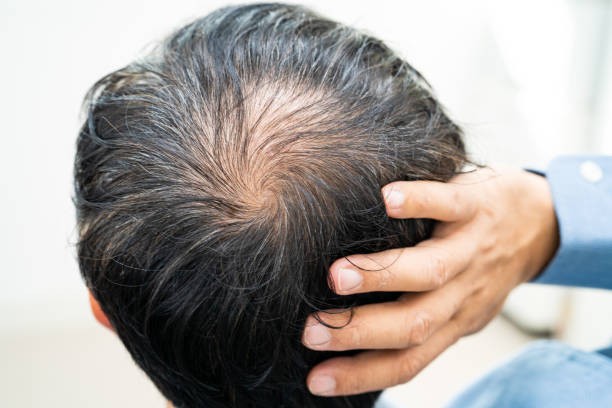
Healthy-looking hair depends on more than simply having a high number of strands. Hair thickness, density, scalp condition, and the strength of individual strands all contribute to an overall fuller appearance. Hair loss treatment Riyadh can help address concerns related to thinning, increased shedding, and reduced hair volume through approaches selected according to individual needs.
Changes in hair fullness may develop gradually and can become more noticeable around the hairline, crown, or throughout the scalp. Factors such as genetics, aging, hormonal changes, stress, and hair-care practices may influence hair condition. Hair loss treatment in Riyadh can be tailored after evaluating the scalp, hair pattern, and factors contributing to reduced fullness.
Understanding Hair Fullness and Resilience
Hair fullness refers to the overall density and visual thickness of the hair, while resilience relates to how well the strands maintain their strength and condition.
Reduced Hair Density
When fewer hairs are present in a particular area, the scalp may become more visible. Gradual density changes can affect the overall appearance of the hairstyle.
Weaker Hair Strands
Hair may also appear less full when individual strands become finer or more fragile. Supporting existing hair can be an important part of maintaining its appearance.
Common Factors Affecting Hair Strength
Different internal and external factors can influence hair quality and fullness over time.
Genetic and Age-Related Factors
Inherited tendencies can influence hair density and thickness. Natural aging may also affect the hair-growth cycle and contribute to gradual thinning.
Lifestyle and Hair-Care Habits
Excessive heat styling, chemical treatments, tight hairstyles, and rough handling can place stress on the hair. Gentle hair care can help reduce unnecessary damage.
The Importance of Scalp Health
A healthy scalp provides the environment in which hair follicles function. Scalp concerns such as dryness, irritation, or excessive oiliness may affect overall hair condition.
Evaluating the Scalp
Professional evaluation can identify visible scalp concerns and provide useful information about the condition of the hair and follicles.
Understanding Hair Growth Patterns
Examining where thinning occurs can help distinguish between localized changes and more widespread reductions in density. This can support a more focused treatment plan.
Treatment Options for Improving Hair Fullness
Treatment choices depend on the cause and extent of hair thinning. Professional approaches may focus on supporting existing follicles, improving scalp care, or addressing specific areas of concern.
Personalized Hair Treatments
A customized approach considers the individual's hair condition, scalp health, and desired results. This can make treatment more relevant to the person's specific concerns.
Supporting Existing Hair
When viable follicles remain, appropriate treatments may focus on maintaining their condition and supporting healthier-looking hair growth.
Building Better Hair Resilience
Maintaining hair resilience involves both professional care and consistent daily habits. Using gentle products, reducing excessive heat exposure, and avoiding unnecessary tension can help protect the strands.
A balanced approach can also include regular scalp care and professional monitoring when hair thinning continues or becomes more noticeable.
What Results Can You Expect?
Results vary according to the underlying cause of hair loss, existing follicle condition, selected treatment, and individual response. Some people may notice improvements in hair quality and reduced visible thinning, while changes in density can take longer.
Following the recommended treatment plan and maintaining appropriate hair-care habits can help support longer-term improvements in hair appearance.
Choosing the Right Hair Fullness Treatment
Hair loss treatment in Riyadh provides personalized options for individuals who want to improve the appearance of thinning or weakened hair. A professional assessment can help identify the factors affecting hair fullness and determine an appropriate treatment strategy.
Choosing care based on individual hair and scalp needs can help support stronger-looking, fuller-looking hair while addressing concerns related to ongoing thinning.
Book an Appointment for Hair Fullness Concerns
If your hair has become thinner, weaker, or less dense, professional guidance can help you understand suitable treatment options. At Royal Clinic Saudi, specialists can evaluate your scalp and hair condition and recommend a personalized approach. Book an appointment to take the next step toward healthier-looking, fuller, and more resilient hair.
FAQs:
What can make hair look less full?
Reduced density, finer strands, hair shedding, aging, and genetic factors can affect hair fullness.
Can hair-care habits affect hair resilience?
Yes. Excessive heat, chemical treatments, and tight hairstyles may weaken or damage hair strands.
Why is scalp health important for hair fullness?
A healthy scalp supports the environment needed for normal follicle function and hair growth.
Can hair treatment be personalized?
Yes. Treatment can be selected according to the individual's hair pattern, scalp condition, and specific goals.