

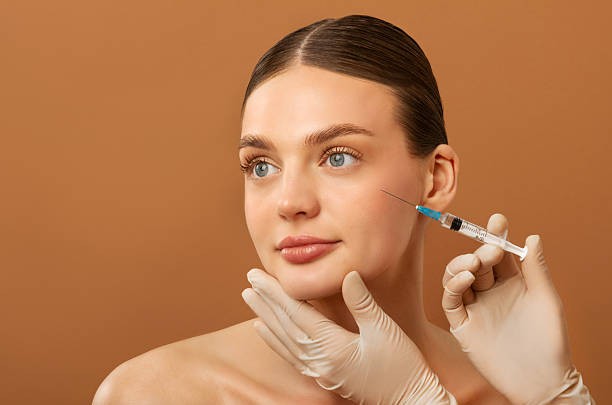
The science of regenerative medicine continues to explore how cellular processes can contribute to tissue maintenance and repair. Stem Cell Therapy in Riyadh has gained attention because stem cells have distinctive biological properties that allow them to self-renew and, depending on their type, develop into specialized cells. These characteristics make them an important subject of research in modern regenerative medicine.
How Stem Cells Function
Stem cells can interact with their surrounding cellular environment and participate in biological processes related to tissue maintenance. Stem Cell Therapy in Riyadh uses these cellular properties in specific medical approaches that are being studied for their potential role in tissue repair and regeneration. The type of cells, treatment method, and medical application can all influence how therapy is performed.
The Science of Regenerative Healing
Regenerative healing involves complex biological processes through which the body responds to tissue damage. Cells communicate with one another through different signaling mechanisms, helping coordinate repair and maintenance. Stem cell research investigates how these cellular interactions might be supported or influenced through therapeutic approaches.
Cellular Communication
Cells communicate using molecular signals that can influence growth, repair, and tissue function. Researchers are studying how stem cells interact with surrounding cells and whether these interactions can contribute to a supportive environment for tissue recovery.
Tissue Repair Mechanisms
When tissue is damaged, the body activates several natural repair processes. These may involve inflammation, cellular communication, tissue remodeling, and regeneration. Stem cell research aims to understand whether specific cellular therapies can complement these processes in appropriate medical situations.
Why Stem Cells Are Important in Regenerative Medicine
Stem cells are of particular interest because some types can produce specialized cells while also interacting with surrounding tissues. Their biological versatility has encouraged extensive research into their potential applications in regenerative healthcare.
Supporting Tissue Environments
Stem cells may influence the local tissue environment through interactions with nearby cells and biological signals. Researchers continue to investigate whether these effects can contribute to tissue repair and improved cellular function.
Exploring Cellular Restoration
Cellular restoration focuses on maintaining or supporting healthy cellular processes. Stem cell-based approaches are being investigated for their potential to influence these mechanisms, although effectiveness can differ according to the specific treatment and medical condition.
Potential Applications and Limitations
Research into stem cell therapy covers various areas, including tissue regeneration and certain conditions involving cellular or tissue damage. However, the evidence and clinical applications vary considerably between different therapies. Understanding this distinction is important when exploring regenerative treatment.
Importance of Scientific Evidence
Not every stem cell treatment discussed online has the same level of scientific support. Patients should ask healthcare professionals about the evidence behind a proposed therapy, its intended use, potential risks, and available alternatives before proceeding.
Individual Treatment Considerations
Medical history, current health, underlying conditions, and treatment objectives can all affect suitability. A professional assessment helps determine whether a particular regenerative approach is appropriate for an individual patient.
What Happens During the Treatment Process?
The treatment process depends on the specific cellular therapy being considered. It usually begins with a consultation where the patient's concerns and medical information are reviewed. If treatment is appropriate, the medical team can explain the procedure, preparation, aftercare, and follow-up.
Assessment and Planning
A detailed assessment helps healthcare professionals develop an individualized treatment plan. Patients can also use this stage to ask questions and understand the expected process.
Recovery and Monitoring
Recovery varies depending on the treatment method and individual response. Follow-up may be recommended to monitor progress and identify any concerns during the recovery period.
The Future of Regenerative Healing
Scientific research continues to expand understanding of how cells communicate, repair tissues, and maintain biological function. Stem Cell Therapy in Riyadh represents one developing area of regenerative medicine, with ongoing research investigating its potential applications and limitations. Professional guidance and evidence-based information remain essential when considering cellular therapies.
Book an Appointment
If you want to explore regenerative medicine and understand whether stem cell therapy may suit your needs, arrange a professional consultation. The specialists at Royal Clinic Saudi can discuss your concerns, assess your requirements, and explain appropriate treatment options and next steps.
FAQs:
What are stem cells?
They are specialized cells capable of self-renewal and developing into certain cell types.
How can stem cells support regeneration?
They may interact with surrounding cells and support biological repair processes.
Is every stem cell treatment scientifically established?
No. Evidence varies between different therapies and applications.
Why is medical assessment important?
It helps determine treatment suitability and appropriate options.