

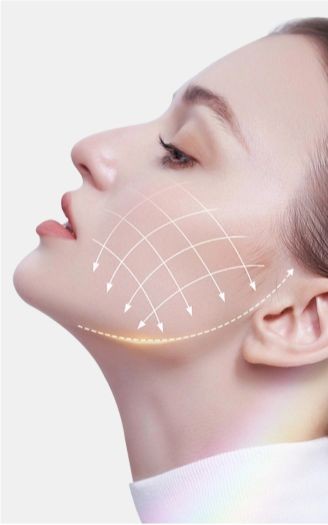
Facial aging develops gradually as skin elasticity decreases, facial tissues shift, and natural volume changes become more noticeable. These changes can affect the cheeks, jawline, neck, and overall facial balance. For people seeking a more comprehensive approach to these concerns, Facelift surgery in Riyadh (جراحة شد الوجه في الرياض) may be considered to address visible sagging and improve facial definition while maintaining a natural-looking appearance.
What Shapes the Outcome of Facial Rejuvenation?
The results of facial rejuvenation are influenced by several factors rather than the procedure alone. During a consultation, the condition of the skin, degree of tissue laxity, facial structure, treatment goals, and overall health can all be considered. Facelift surgery in Riyadh can be planned according to these individual characteristics, helping create an approach that complements the patient's existing facial proportions.
Individual Facial Structure
Every face has different contours, bone structure, skin thickness, and patterns of aging. These characteristics can influence how facial tissues respond to treatment. A personalized surgical plan can therefore be more appropriate than using the same technique for every patient.
The Condition of the Skin and Facial Tissues
Skin quality can play an important role in the appearance of rejuvenated facial features. Sun exposure, lifestyle habits, genetics, and natural aging may affect elasticity and texture. While a facelift primarily addresses deeper sagging and repositioning of facial tissues, the overall condition of the skin can influence how refined the final appearance looks.
Changes in Skin Elasticity
Skin with greater elasticity may adapt differently after tissues are repositioned, while reduced elasticity can affect how the skin settles. Discussing skin characteristics during consultation allows treatment expectations to be considered realistically.
Treatment Planning and Surgical Technique
A successful facial rejuvenation plan begins with understanding what the patient wants to improve. Some individuals may be mainly concerned about jowls, while others may notice changes around the cheeks, jawline, or neck. The surgical approach can be selected according to these concerns, helping avoid an overly tight or disproportionate appearance.
Creating Balanced Improvements
Facial rejuvenation is generally focused on improving harmony rather than completely changing facial identity. Careful planning considers how the treated areas relate to the forehead, eyes, cheeks, lips, chin, and neck. This balanced approach can help the refreshed features appear more consistent with the patient's natural appearance.
The Role of Age and Lifestyle
Age does not determine whether someone is automatically suitable for facial rejuvenation. More important considerations include the extent of visible aging, skin condition, general health, and personal expectations. Lifestyle factors such as sun exposure, smoking, nutrition, and skincare habits may also influence skin quality and the healing process.
Recovery and Healing
Recovery is another factor that can shape how the final result develops. Swelling, bruising, tightness, and temporary changes in sensation may occur during the early healing period. These effects generally change as the tissues recover, so the appearance immediately after surgery should not be considered the final outcome.
Supporting a Smooth Recovery
Following post-operative instructions, attending recommended follow-up appointments, protecting the skin from excessive sun exposure, and allowing adequate rest can support the healing process. Each person's recovery timeline can differ, making patience an important part of achieving a settled result.
Setting Realistic Expectations
Expectations have a major influence on how patients perceive facial rejuvenation. A facelift can improve sagging and redefine selected facial areas, but it does not stop future aging or replace healthy skin. Clear communication about achievable improvements can help patients approach treatment with a realistic understanding of the process.
How Non-Surgical Treatments May Differ
Non-surgical options such as injectables, skin treatments, and energy-based procedures may address certain signs of aging without surgery. However, they may work differently from a facelift and are not always designed to address significant tissue laxity. Facelift surgery in Riyadh may be considered when more noticeable lifting and structural improvement are desired, depending on individual needs.
Choosing a Personalized Facial Rejuvenation Approach
The best treatment approach depends on the patient's facial anatomy, aging pattern, skin characteristics, health, and aesthetic goals. A detailed consultation can help identify the areas that may benefit from treatment and determine whether a facelift is appropriate. Understanding these factors before proceeding can make the treatment journey more informed and purposeful.
Book an Appointment at Royal Clinic Saudi
If you are considering facial rejuvenation and want to understand which approach may suit your features, schedule a consultation with Royal Clinic Saudi (عيادات رويال كلينك). A professional assessment can help you discuss your concerns, treatment goals, suitability, and expected recovery before making a decision.
FAQs:
What factors can influence facelift results?
Skin quality, facial structure, tissue laxity, treatment planning, healing, and individual lifestyle factors can all influence the outcome.
Can a facelift create natural-looking facial rejuvenation?
Yes, when treatment is appropriately planned around the patient's facial proportions and rejuvenation goals.
How long does facelift recovery take?
Recovery varies between individuals, with swelling and bruising gradually improving as healing progresses.
Does a facelift stop future facial aging?
No. A facelift can address existing signs of aging, but natural aging continues after treatment.