

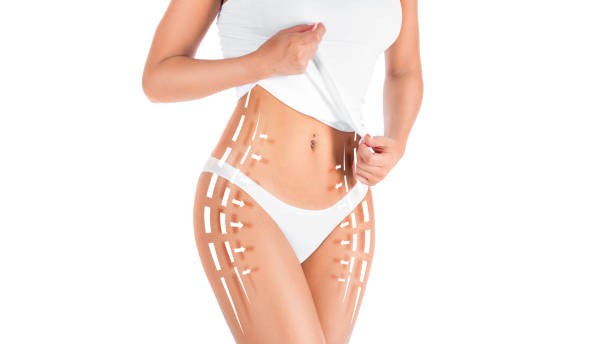
Liposuction is a cosmetic surgical procedure designed to remove localised fat deposits and improve the body's contours. It is commonly considered by people who have stubborn areas of fat that remain noticeable despite a balanced diet and regular physical activity. Although the procedure can reshape selected areas, maintaining a stable weight is important for preserving the results over time.
People researching Liposuction in Riyadh should understand that the procedure is intended for body contouring rather than overall weight loss. Liposuction removes fat cells from targeted areas, but it does not prevent remaining fat cells from enlarging if a person gains weight. Developing sustainable lifestyle habits before and after surgery can help patients maintain their results and support their general well-being.
How Liposuction Affects Body Contours
Liposuction involves inserting a thin cannula through small incisions to remove selected fat deposits using suction. Depending on the treatment plan, the procedure may target areas such as the abdomen, waist, hips, thighs, arms, or back. The surgeon aims to create smoother proportions while considering the body's natural shape.
The amount of improvement depends on the patient's anatomy, skin elasticity, fat distribution, and surgical plan. Liposuction does not reliably treat loose skin, strengthen abdominal muscles, or address every cause of a particular body shape. Understanding these limitations helps patients establish realistic expectations before undergoing surgery.
Why Maintaining a Stable Weight Matters
Preserving the Results of Surgery
Liposuction removes fat cells from the treated areas, which can produce lasting changes in their contours. However, the body still contains fat cells in both treated and untreated regions. When weight increases, these remaining cells can expand, potentially affecting the appearance achieved through surgery.
Substantial weight gain may change body proportions and make the treated area appear fuller again. Although the pattern of fat distribution may differ from before surgery, liposuction does not guarantee that the body will remain unchanged. Keeping weight relatively stable can help preserve the contouring improvements.
Supporting Realistic Expectations
Some patients expect liposuction to produce permanent protection against future fat accumulation. In reality, long-term results depend partly on lifestyle, natural ageing, hormonal influences, and individual physiology. Weight stability does not mean maintaining an exact number every day; normal fluctuations are expected.
A more useful goal is to develop sustainable habits that support a generally consistent weight. Patients should also recognise that the final results take time to become visible because swelling can remain for weeks or months after surgery.
Developing Healthy Eating Habits After Liposuction
Choosing Balanced Meals
A balanced eating pattern can support recovery and help maintain a stable weight. Meals that include vegetables, fruit, whole grains, protein sources, and healthy fats provide a variety of nutrients needed for normal body function. Adequate protein is particularly important during healing because it supports tissue repair.
Patients do not usually need extreme dietary restrictions after liposuction. Instead, they should aim for a practical routine that fits their preferences and daily schedule. Following any specific nutritional instructions provided by the surgical team is important during the recovery period.
Managing Portions and Eating Patterns
Eating regular, balanced meals may help people recognise hunger and fullness cues and avoid unplanned overeating. Paying attention to portion sizes, eating slowly, and limiting frequent consumption of highly processed foods can support long-term weight management.
Strict dieting immediately after surgery is generally not a suitable substitute for recovery care. Patients should prioritise adequate nutrition and discuss any significant dietary changes with a healthcare professional, particularly while healing.
The Role of Physical Activity in Weight Management
Returning to Exercise Safely
Physical activity can help maintain weight, support cardiovascular health, and improve general fitness. However, patients must allow their bodies to recover before returning to strenuous workouts. Walking may be encouraged early in recovery when approved by the surgeon, while heavy lifting, intense exercise, and movements that strain the treated areas may need to be restricted temporarily.
The appropriate timeline varies according to the extent of surgery, the treatment areas, and the individual's healing progress. Patients should follow personalised instructions rather than comparing their recovery with someone else's experience.
Building a Consistent Fitness Routine
Once cleared to exercise, patients can gradually return to activities such as walking, cycling, swimming, strength training, or other forms of movement suitable for their health and fitness level. Consistency is generally more sustainable than sudden, intense exercise routines.
Exercise cannot selectively remove fat from a specific area, but it can contribute to overall weight management and muscle fitness. Combining regular movement with balanced nutrition can help patients maintain a stable weight after their procedure.
Other Factors That Influence Long-Term Results
Weight is not the only factor that affects body contours after liposuction. Ageing, changes in skin elasticity, pregnancy, hormonal changes, and natural shifts in body composition can influence appearance over time. The skin's ability to adapt to the removal of underlying fat also varies between individuals.
Smoking and nicotine use can interfere with healing, so patients should follow their surgical team's guidance regarding avoidance before and after surgery. Attending follow-up appointments is also important because the surgeon can assess recovery, discuss concerns, and advise when normal activities can resume.
Common Mistakes to Avoid After Liposuction
One common mistake is treating liposuction as a replacement for healthy lifestyle habits. The procedure can remove selected fat deposits, but it does not prevent weight gain or guarantee a particular body shape permanently. Another mistake is returning to demanding exercise before receiving medical clearance, which may interfere with recovery.
Patients should also avoid expecting immediate final results. Swelling and temporary tissue changes can make the treated areas appear uneven during early healing. Following the aftercare plan, maintaining balanced nutrition, and allowing enough time for recovery are important parts of managing expectations.
Book a Consultation at Royal Clinic Saudi
Individuals considering Liposuction in Riyadh can consult Royal Clinic Saudi to discuss their body-contouring goals, suitability for surgery, and expectations for long-term maintenance. A professional assessment can help explain what liposuction may achieve, the possible risks, and the importance of recovery planning and weight stability. Understanding these factors before treatment supports informed decision-making and realistic expectations.
FAQs:
Can weight gain affect liposuction results?
Yes. Remaining fat cells can enlarge with weight gain, which may change the contours achieved through surgery.
Does liposuction prevent future weight gain?
No. Liposuction removes selected fat cells but does not stop weight gain or replace healthy lifestyle habits.
When can I exercise after liposuction?
Gentle walking may be recommended early, but strenuous exercise should wait until the surgeon confirms it is safe. Recovery timelines vary between patients.
What is the best way to maintain liposuction results?
Maintaining a relatively stable weight through balanced nutrition, regular physical activity, and sustainable daily habits can help preserve the results.