

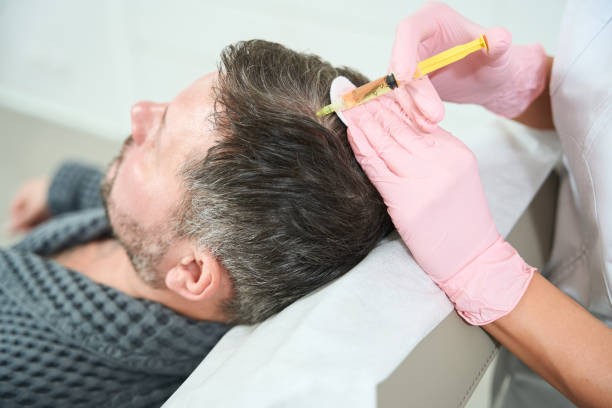
Thinning around the crown is a common concern for individuals who notice changes in their hair density and overall appearance. The crown, located at the upper back portion of the scalp, can gradually become more visible as hair strands become finer or the number of growing hairs decreases. These changes may be associated with genetics, hormonal influences, aging, or other causes of hair loss. PRP hair treatment in Riyadh is a nonsurgical option that may help improve hair density in selected individuals by using platelet-rich plasma prepared from their own blood.
Understanding Crown Area Hair Thinning
The crown is particularly affected by certain patterns of hair loss, especially androgenetic alopecia, commonly known as pattern hair loss. This condition can cause susceptible hair follicles to gradually shrink, producing finer and shorter strands over time. As hair coverage decreases, the scalp may become more noticeable under bright lighting or when the hair is wet.
Crown thinning often develops gradually, making early changes difficult to recognize. Some individuals notice a wider area of visible scalp, while others observe that their hair no longer provides the same coverage as before. Although genetics plays an important role, other factors can contribute to thinning or increased shedding.
Understanding the pattern and progression of hair loss is essential before selecting a treatment. A professional assessment can help distinguish pattern hair loss from temporary shedding, scalp conditions, and other medical causes.
What Is PRP Hair Treatment?
Platelet-rich plasma, or PRP, is prepared from a small sample of the patient's blood. The sample is processed in a centrifuge to separate its components and concentrate platelets within a portion of plasma. Platelets contain growth factors and other biological substances involved in the body's natural repair processes.
For hair treatment, the prepared plasma is injected into selected areas of the scalp, including the crown when appropriate. The aim is to support the environment around existing hair follicles and potentially improve hair thickness or density.
PRP is not a surgical hair restoration procedure and does not create new follicles. Its effectiveness varies, and not everyone experiences meaningful improvement. The likely benefits depend on the cause of hair loss, the condition of existing follicles, and individual response to treatment.
How PRP May Support Crown Hair Density
The potential role of PRP in hair restoration has been studied particularly in people with pattern hair loss. Some research suggests that PRP may improve hair density and thickness in certain individuals, although study methods and results vary.
When the crown contains existing but thinning follicles, PRP may be considered as part of a treatment plan intended to improve the appearance of hair coverage. Any changes generally develop gradually rather than immediately, because hair follicles follow a natural growth cycle.
The response cannot be guaranteed. Areas with substantial permanent follicular loss may respond less effectively than areas where viable follicles remain. PRP should therefore be viewed as a possible supportive treatment rather than a guaranteed method for restoring a completely full crown.
Who May Benefit From Crown Area Treatment?
Individuals experiencing early or moderate crown thinning may be considered for PRP after a professional assessment. The treatment may be more relevant when the thinning pattern is consistent with a condition that has shown a response to platelet-rich plasma therapy.
However, suitability is not determined by appearance alone. A practitioner should review the duration of hair loss, family history, medical conditions, medication use, and any symptoms affecting the scalp. Additional tests may be recommended if a nutritional deficiency, hormonal issue, or other underlying condition is suspected.
PRP may not be appropriate for everyone. Certain blood disorders, platelet abnormalities, active infections, or other medical concerns can affect eligibility. A qualified healthcare professional can review these factors before recommending treatment.
What Happens During the Procedure?
Treatment usually begins with a consultation and scalp examination. The practitioner identifies the affected areas and discusses realistic expectations, potential risks, and alternative options.
If treatment is considered appropriate, a small blood sample is collected and processed to prepare the platelet-rich plasma. The scalp is cleaned, and the prepared plasma is injected into selected areas of the crown using small injections. Depending on the individual's needs and the provider's protocol, measures may be used to reduce discomfort.
Temporary tenderness, redness, swelling, or bruising may occur. Patients should follow the provider's aftercare instructions, including guidance about scalp washing and activities following the procedure. The practitioner should also explain the recommended treatment schedule and follow-up process.
Results, Maintenance, and Hair Care
PRP does not produce immediate hair growth. If the treatment is effective, changes in thickness or density may become noticeable over several months. Some individuals may require multiple sessions and periodic maintenance, depending on their response and the treatment plan.
Monitoring progress through photographs and follow-up assessments can help establish whether the treatment is providing a meaningful benefit. If thinning continues, the practitioner may reassess the diagnosis or discuss other evidence-based options.
Maintaining a balanced diet, handling hair gently, and managing any identified health conditions can support general hair health. These steps do not replace appropriate medical treatment, particularly when crown thinning is caused by progressive pattern hair loss.
PRP hair treatment in Riyadh may be discussed with a qualified practitioner as one possible option for improving the appearance of crown thinning. An individualized plan should account for the cause of hair loss, follicle condition, and the patient's expectations.
Book Your Appointment at Royal Clinic Saudi
If crown thinning is affecting your hair's appearance, a professional consultation can help identify possible causes and suitable treatment options. PRP hair treatment in Riyadh may be considered for selected individuals who still have existing follicles in the affected area. Royal Clinic Saudi can be contacted to discuss consultation options, scalp assessment, and whether platelet-rich plasma therapy may be appropriate. Understanding the potential benefits and limitations before treatment helps support informed decisions and realistic expectations.
FAQs:
1. Can PRP hair treatment make the crown look fuller?
PRP may improve hair density or thickness in some individuals with certain types of hair loss. Results vary, and a fuller appearance is not guaranteed.
2. Is PRP suitable for advanced crown thinning?
Suitability depends on the condition of the remaining follicles and the cause of hair loss. Areas with substantial permanent follicular loss may respond less effectively.
3. How long does it take to see results in the crown area?
If treatment works, changes may develop gradually over several months. The timeline differs according to the individual's hair growth cycle and response.
4. Can PRP prevent further crown hair loss?
PRP cannot guarantee that hair loss will stop. A practitioner may recommend additional evidence-based treatments when appropriate to help manage the underlying condition.