

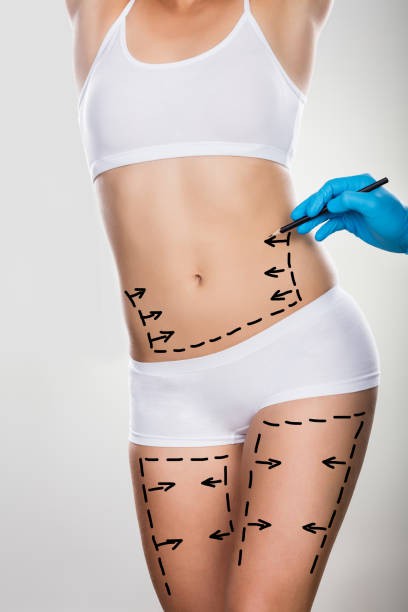
Persistent fat around the upper thighs can affect body proportions and make achieving a preferred silhouette challenging. Even with regular exercise and balanced nutrition, some people retain localized fat deposits in the inner or outer thigh areas. Liposuction in Riyadh is a cosmetic procedure designed to remove selected fat deposits and refine the natural contours of the thighs. Rather than serving as a weight-loss solution, it focuses on improving shape and proportion in specific areas. Understanding how the procedure works, who may benefit from it, and what recovery involves can help individuals make informed decisions about their body-contouring goals.
Why Does Fat Accumulate Around the Upper Thighs?
Fat distribution varies from person to person and can be influenced by genetics, hormones, age, and overall body composition. Some individuals naturally store more fat around the inner thighs, while others notice fullness along the outer thighs. Healthy eating and regular physical activity support overall fitness, but they do not always eliminate fat from specific areas. A medical assessment can help determine whether the concern involves localized fat, loose skin, or another issue that may require a different treatment approach.
How Liposuction Targets Upper Thigh Fat
Liposuction removes selected fat deposits through small incisions using a thin instrument called a cannula. During upper thigh treatment, the surgeon carefully removes fat from planned areas to improve contours and create smoother transitions between the thighs and surrounding regions. Treatment is customized according to anatomy, skin elasticity, and individual goals. Careful planning is important because excessive fat removal can create uneven contours. A qualified surgeon can explain the technique, potential results, and limitations during consultation.
Areas of the Upper Thighs That Can Be Treated
Inner Thighs
Fat along the inner thighs can create fullness and affect the space between the legs. In suitable candidates, liposuction may reduce localized deposits and refine the inner thigh contour. The surgeon considers skin quality and natural proportions when planning treatment.
Outer Thighs
The outer thighs may develop persistent fat deposits that influence the body's side profile. Targeted liposuction can help smooth this area and improve the transition between the hips and thighs. Results depend on the individual's anatomy and the amount of fat that can safely be removed.
Upper Thigh Transition Areas
Some people experience fullness where the upper thighs meet the hips or lower buttock region. Carefully planned contouring may improve the balance between these areas. Treatment must be tailored to preserve natural curves and avoid irregularities.
Who Is a Suitable Candidate?
Liposuction may be appropriate for adults who are close to a stable, healthy weight and have localized upper thigh fat that persists despite healthy lifestyle habits. Good overall health, realistic expectations, and adequate skin elasticity are important considerations. Liposuction in Riyadh may be an option for individuals seeking targeted thigh contouring rather than substantial weight loss. People with significant loose skin, certain medical conditions, or frequent weight fluctuations may need further evaluation before deciding on surgery.
Benefits of Upper Thigh Contouring
One potential benefit of liposuction is its ability to target specific fat deposits while preserving the body's natural proportions. Treatment may help create smoother thigh contours, refine the transition between the hips and thighs, and improve the way clothing fits. However, results vary according to anatomy, surgical technique, and individual healing. Liposuction does not reliably eliminate cellulite or tighten significant loose skin. A personalized treatment plan helps establish realistic expectations and identify whether the procedure is suitable.
Preparing for Liposuction
Preparation begins with a consultation to review medical history, medications, allergies, previous procedures, and treatment goals. The surgeon examines the upper thighs and discusses the recommended technique, anesthesia options, recovery expectations, and potential risks. Patients may receive instructions about smoking, medication use, and preoperative care. Any changes to prescribed medicines should only be made under medical supervision. Providing accurate health information and following the clinical team's instructions helps prepare patients for surgery.
Recovery and Aftercare
Recovery varies according to the extent of treatment and individual healing. Swelling, bruising, tenderness, and temporary changes in sensation may occur after surgery. A compression garment may be recommended to help manage swelling and support the treated area. Gentle movement may be encouraged when medically appropriate, while strenuous exercise should be avoided until the surgeon confirms it is safe. Initial improvements may appear during the first few weeks, but final contours can take several weeks or months to become visible. Follow-up appointments help monitor healing and address concerns.
Risks and Important Considerations
Liposuction is a surgical procedure that carries potential risks, including infection, bleeding, fluid accumulation, contour irregularities, changes in sensation, and anesthesia-related complications. More serious complications, such as blood clots, are also possible. Choosing a qualified surgeon and following postoperative instructions can help reduce avoidable risks. Patients should seek urgent medical attention if they experience chest pain, sudden shortness of breath, or severe unexplained swelling following surgery. Discussing personal risk factors before treatment is essential.
Maintaining Long-Term Results
Liposuction can create lasting changes in treated areas, but remaining fat cells can enlarge with weight gain. Maintaining a stable weight through balanced nutrition and regular physical activity can help preserve thigh contours. Liposuction in Riyadh should be considered a body-contouring option rather than a substitute for a healthy lifestyle. Understanding the procedure's limitations and attending recommended follow-up appointments can help individuals maintain realistic expectations and support long-term results.
Book an Appointment at Royal Clinic Saudi
If you are considering treatment for persistent upper thigh fat, Royal Clinic Saudi can be a starting point for discussing your body-contouring goals. Schedule a consultation to review your medical suitability, understand the procedure, and discuss expected outcomes and possible risks. A personalized assessment can help you determine whether liposuction is appropriate for your needs.
FAQs:
1. Can liposuction reduce fat around the upper thighs?
Yes, it can remove localized thigh fat in suitable candidates.
2. Can liposuction treat both inner and outer thighs?
Yes, both areas may be treated depending on individual anatomy and suitability.
3. Does thigh liposuction remove cellulite?
No, liposuction does not reliably eliminate cellulite.
4. How can I maintain my thigh contouring results?
Maintaining a stable weight, balanced nutrition, and regular physical activity can help preserve results.