

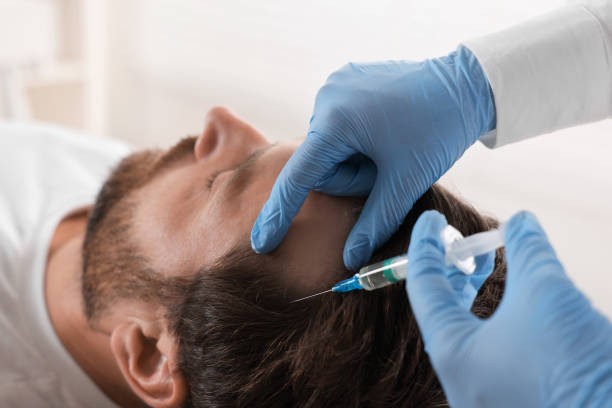
Healthy skin and well-maintained hair are important parts of personal appearance and confidence. However, concerns such as uneven skin tone, changes in skin texture, fine lines, thinning hair, and excessive shedding can affect people for different reasons. Understanding these concerns and selecting an appropriate treatment requires careful consideration of individual needs, medical history, and realistic expectations.
People exploring Magellan plasma in Riyadh may be interested in learning how plasma-based technology fits into modern skin and hair care. The exact meaning and applications of Magellan Plasma depend on the system and procedure being offered, so it is important to confirm the technology before making a treatment decision. A qualified healthcare professional can explain its intended use, available clinical evidence, potential risks, and suitability for a particular concern.
How Healthy Skin Contributes to Appearance
Skin appearance can change with age, sun exposure, hormonal fluctuations, genetics, and everyday environmental factors. Some people experience pigmentation or rough texture, while others notice fine lines, dryness, or changes in firmness. Identifying the underlying cause helps determine which approach may be most appropriate.
Understanding Uneven Skin Tone
Uneven skin tone may appear as dark spots, sun-related discoloration, or marks left by acne and inflammation. The most appropriate treatment depends on the cause and depth of the pigmentation, as well as the individual's skin type.
A healthcare professional may recommend consistent sun protection, topical products, chemical peels, selected laser treatments, or other evidence-based options. Plasma-based treatments should only be considered when there is appropriate evidence supporting their use for the specific concern. Some procedures may irritate the skin and worsen pigmentation in susceptible individuals, making careful assessment especially important.
Supporting Skin Texture and Smoothness
Changes in skin texture may include rough patches, visible pores, fine lines, and the appearance of certain acne scars. These concerns can be associated with aging, previous inflammation, or other changes in the skin.
A personalized assessment can help identify whether skincare products, microneedling, selected laser procedures, or another treatment may be appropriate. Patients considering Magellan plasma in Riyadh should ask whether the exact system has clinical evidence for their intended skin concern rather than assuming that all plasma-based technologies produce similar results.
Maintaining a Consistent Skincare Routine
Professional procedures are only one part of maintaining healthy-looking skin. Gentle cleansing, suitable moisturization, and daily broad-spectrum sun protection can support the skin's natural barrier and help limit additional sun-related damage.
People with sensitive skin or persistent irritation may need to adjust their routines with professional guidance. Combining several treatments without appropriate advice can increase inflammation and potentially worsen some skin concerns.
Understanding Hair Health and Appearance
Hair thinning and shedding can develop because of hereditary factors, hormonal changes, nutritional deficiencies, stress, certain medications, or scalp conditions. The visible symptoms may look similar even when the underlying causes are different, which is why identifying the cause is essential.
Recognizing Different Hair Loss Patterns
Gradual thinning may be associated with hereditary hair loss, while increased shedding can sometimes occur after illness, significant stress, or changes in health. Patchy hair loss or symptoms such as scalp redness, itching, and discomfort may indicate a condition that requires medical assessment.
A healthcare professional may review medical history, examine the scalp, and recommend further tests when appropriate. Treating an underlying medical or nutritional issue may be more beneficial than choosing a cosmetic procedure without a clear diagnosis.
Exploring Plasma-Based Hair Care Options
Some platelet-based treatments have been studied for selected types of hair loss, but their effectiveness varies according to the method and the condition being treated. Different plasma-based systems should not be considered interchangeable, and the name Magellan Plasma alone does not establish a treatment's composition or effectiveness.
Before choosing a plasma-based hair procedure, patients should confirm the exact technology, ask about the evidence supporting its use, and discuss established alternatives with a qualified professional. Hair regrowth cannot be guaranteed, and results depend on the cause of hair loss and the individual's response to treatment.
Creating a Personalized Skin and Hair Care Plan
A personalized plan considers the patient's goals, skin type, scalp condition, medical history, and previous treatment experiences. It also recognizes that facial skin concerns and hair loss may require separate approaches rather than one procedure for both.
Setting Realistic Treatment Goals
Some people want to improve the appearance of pigmentation, while others prioritize skin texture or changes in hair density. Identifying the main goal helps the practitioner explain which options are appropriate and what level of improvement may be realistic.
Patients should ask about the expected timeline, possible side effects, recovery requirements, and whether multiple sessions may be recommended. They should also understand when another treatment or medical evaluation may be more appropriate.
Preparing for Professional Assessment
During consultation, patients should discuss their concerns, medications, allergies, medical conditions, and previous aesthetic procedures. Active skin or scalp problems should also be disclosed, as they may affect treatment suitability.
It is important to ask for the exact device or system name and an explanation of how it is intended to work. The practitioner should clarify the available clinical evidence, known risks, and alternative treatments before obtaining informed consent.
Safety and Aftercare for Skin and Hair Treatments
Safety depends on the procedure, the technology used, and the patient's individual circumstances. Certain medical conditions, active infections, inflammatory skin problems, or medications may require additional evaluation before treatment.
Aftercare instructions should be specific to the procedure performed. Following a facial treatment, a practitioner may recommend gentle cleansing, suitable moisturization, and consistent sun protection. Patients should avoid irritating products until they are advised that these can be resumed. After scalp procedures, instructions may cover washing, exercise, and hair products.
Increasing pain, spreading redness, unusual discharge, or other concerning symptoms should prompt medical advice. Follow-up appointments can help assess recovery and determine whether the treatment plan remains appropriate.
Choosing a Suitable Provider in Riyadh
When researching aesthetic and hair care services, patients should prioritize practitioner qualifications, hygienic treatment settings, clear communication, and evidence-based recommendations. A reliable provider should explain both the potential benefits and the limitations of a procedure without guaranteeing specific cosmetic outcomes.
For people researching Magellan plasma in Riyadh, a professional consultation is a useful starting point for clarifying their skin or hair concerns and confirming whether the exact technology is suitable. Comparing available options and understanding the evidence can help patients make informed decisions based on their individual needs.
Conclusion
Magellan Plasma may be discussed as part of skin and hair care, but its potential role depends on the exact system, intended application, and available clinical evidence. Uneven skin tone, texture changes, and hair thinning can have different causes, so an appropriate assessment is essential before selecting a procedure. Combining realistic expectations with professional guidance and suitable aftercare can support informed treatment decisions. Royal Clinic Saudi can be a starting point for discussing personal skin and hair care goals and exploring appropriate options, with recommendations guided by professional assessment and individual circumstances.
FAQs:
Can Magellan Plasma improve the appearance of skin?
Its suitability depends on the exact technology and the skin concern being treated. A qualified professional can explain whether evidence supports its use for the intended purpose.
Can Magellan Plasma help with thinning hair?
The potential benefits depend on the specific system and the cause of hair loss. A medical assessment can help identify appropriate treatment options.
Is Magellan Plasma suitable for every skin type?
No treatment is suitable for everyone. Skin type, medical history, current skin conditions, and the exact technology should be considered before proceeding.
What should I do before choosing Magellan Plasma?
Confirm the exact system, discuss clinical evidence and possible risks, review alternative treatments, and obtain a professional assessment before making a decision.