

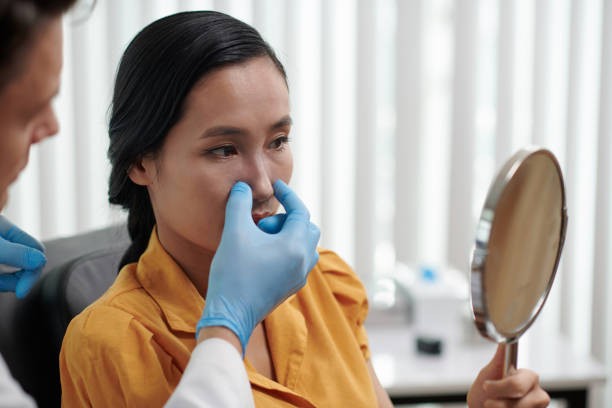
The nose plays an important role in overall facial balance, and even small differences in its shape can influence facial appearance. An uneven nasal bridge may appear slightly crooked, have a visible bump, or show irregular contours along the upper part of the nose. These differences can be present from birth or develop after an injury, previous surgery, or changes in nasal structure. Rhinoplasty in Riyadh (عملية تجميل الانف في الرياض) is a surgical option for people who want to address specific nasal shape concerns while maintaining harmony with their other facial features. Understanding the underlying cause of an uneven bridge is an important first step toward choosing an appropriate treatment approach.
What Causes an Uneven Nasal Bridge?
An uneven nasal bridge can develop for several reasons. Natural facial asymmetry is common, meaning the two sides of the nose may not be perfectly identical. In some people, the nasal bones form with a slight deviation, creating a bridge that appears off-centre. Others may have a raised area of bone or cartilage that creates an irregular profile.
Injuries can also change the shape of the nose. A previous fracture may cause the nasal bones to heal in a position that makes the bridge look crooked. Changes in cartilage, swelling, or the structure of the nasal septum can contribute to visible asymmetry as well. Identifying whether the concern comes from bone, cartilage, or a combination of structures helps a qualified surgeon evaluate possible correction methods.
How Rhinoplasty Can Improve Nasal Contours
Rhinoplasty involves modifying the bone, cartilage, and other supporting structures of the nose to address selected functional or cosmetic concerns. When the nasal bridge is uneven, a surgeon may assess whether the contour can be improved by reshaping prominent areas, adjusting the position of nasal bones, or refining the supporting cartilage.
The treatment plan depends on the individual's anatomy and desired outcome. The aim is not necessarily to create a perfectly symmetrical nose, since natural facial features are rarely identical on both sides. Instead, the objective is to improve the appearance of the bridge while maintaining suitable proportions and structural support. Rhinoplasty in Riyadh may be considered by individuals seeking a more balanced nasal profile, following a comprehensive consultation and assessment.
Techniques Used to Correct Uneven Nasal Bridges
Reshaping the Nasal Bones
When an uneven bridge is primarily related to the nasal bones, surgical reshaping may help improve alignment. In selected cases, the surgeon may reposition the bones to reduce the appearance of a crooked bridge. The precise technique depends on the direction and extent of the deviation, as well as the overall structure of the nose.
Refining Cartilage Irregularities
Cartilage contributes to the shape and support of the nose. Irregularities in this tissue may create uneven contours, particularly around the middle and lower sections. A surgeon may carefully adjust cartilage to achieve a smoother transition between nasal structures while preserving adequate support.
Addressing a Nasal Bump
A prominent bump along the bridge can create an uneven side profile. Depending on the anatomy, the surgeon may reduce selected areas of bone or cartilage. Careful planning is necessary to avoid overcorrection and maintain a natural-looking relationship between the bridge, nasal tip, and forehead.
Considering Functional Concerns
An uneven nasal bridge may sometimes occur alongside a deviated septum or breathing difficulties. When functional concerns are present, the surgeon can assess whether they should be addressed as part of the treatment plan. Cosmetic reshaping and internal nasal correction are different considerations, and the appropriate approach depends on the individual's needs.
Who May Consider Rhinoplasty for Nasal Asymmetry?
Adults who are concerned about a crooked bridge, visible bumps, or irregular nasal contours may wish to explore rhinoplasty. People whose nasal shape changed after an injury may also benefit from a professional evaluation. However, suitability depends on overall health, nasal anatomy, healing considerations, and realistic expectations.
A consultation allows the surgeon to examine the nose from different angles, discuss the concerns that matter most to the patient, and explain possible outcomes. Photographs may be used to support treatment planning, but they cannot guarantee an exact surgical result. Patients should also understand the potential risks, including bleeding, infection, scarring, changes in sensation, breathing difficulties, and the possibility of revision surgery.
Recovery and Expected Results
Recovery after rhinoplasty varies according to the extent of the procedure and the individual's healing process. Swelling and bruising are common during the early recovery period, and the nose may initially appear uneven because swelling does not always resolve at the same rate on both sides. This temporary appearance does not necessarily indicate the final result.
Patients should follow their surgeon's instructions regarding rest, activity restrictions, nasal care, and follow-up visits. Strenuous exercise and activities that could injure the nose are generally restricted during early healing. Although many people notice gradual improvement over the first several weeks, subtle swelling can persist for months, and final contours may take up to a year or longer to become fully apparent.
Maintaining realistic expectations is essential. Rhinoplasty can improve selected structural irregularities, but it cannot guarantee perfect symmetry or completely predictable results. A carefully planned procedure focuses on appropriate correction, nasal stability, and facial balance.
Choosing a Personalized Treatment Plan
Every nose has a different combination of bone structure, cartilage shape, skin thickness, and internal anatomy. For this reason, treatment should be tailored rather than based on a standard nose shape. A detailed consultation helps determine which features can reasonably be changed and whether the desired result is achievable without compromising nasal support or breathing.
Patients should choose a qualified, appropriately trained surgeon and ask about relevant experience, potential complications, recovery expectations, and follow-up care. Clear communication about aesthetic goals helps establish a shared understanding of the intended outcome. Rhinoplasty in Riyadh should begin with an informed decision based on individual anatomy, professional assessment, and a clear understanding of the benefits and limitations of surgery.
Book a Rhinoplasty Consultation at Royal Clinic Saudi
If uneven nasal bridges or irregular contours are affecting your confidence, a professional consultation can help you understand your options. Royal Clinic Saudi (عيادات رويال كلينك) can be a starting point for discussing your concerns, learning about the assessment process, and exploring an individualized treatment plan. Before deciding on surgery, ask questions about suitability, risks, recovery, and realistic results so you can make an informed choice about your nasal appearance and overall well-being.
FAQs:
Can rhinoplasty correct a crooked nasal bridge?
Rhinoplasty may improve a crooked nasal bridge by adjusting the position or shape of the nasal bones and cartilage. The results depend on the cause and severity of the asymmetry.
Will my nose look perfectly symmetrical after surgery?
Perfect symmetry cannot be guaranteed. The goal is to improve balance and proportion while respecting the natural features of the face.
How long does it take to see the final results?
Initial changes may be visible as swelling decreases over several weeks, but subtle swelling can remain for many months. Final results may take a year or longer to develop.
Can rhinoplasty improve breathing as well as appearance?
It may be possible when structural problems affecting airflow are identified. A qualified surgeon should assess breathing concerns separately and explain which procedures may be appropriate.