

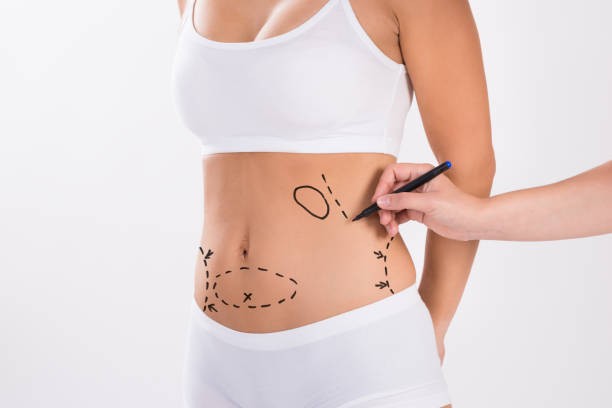
Facial contours play an important role in the overall appearance of the face. The shape of the cheeks, jawline, and area beneath the chin can influence how defined or balanced facial features appear. For people with small, localized pockets of fat, non-surgical cosmetic treatments may be worth exploring. Fat melting injections in Riyadh are one option people may consider when seeking to reduce specific areas of fullness without undergoing traditional fat removal surgery.
These injections are designed to target fat in selected areas, but their suitability depends on the treatment product, the location of the fat, and the individual's facial anatomy. They are not intended to replace healthy lifestyle habits or serve as a general weight-loss method. A qualified medical professional can assess whether injectable treatment is appropriate or whether another approach may better address the person's concerns.
How Fat Melting Injections May Help Define Facial Features
Fat-melting injections contain substances intended to damage fat cells in a targeted area. The body then gradually processes the affected cells and their contents. When treatment is suitable and produces the intended response, reducing a small pocket of fat may help improve the appearance of a particular facial area.
The outcome depends on several factors, including the amount and distribution of fat, skin elasticity, and the individual's natural facial structure. These injections cannot change the underlying bone structure or tighten significant amounts of loose skin. They also cannot guarantee a sharply defined jawline or a particular facial shape.
Product selection is especially important for facial treatments because the face contains delicate structures, including nerves, blood vessels, and salivary glands. Only products appropriate for the specific treatment area should be considered, and injections should be administered by a suitably qualified clinician.
Facial Areas That May Be Considered for Treatment
Fullness Beneath the Chin
A small amount of fat beneath the chin can make the boundary between the chin and neck appear less distinct. In some countries, deoxycholic acid is approved for improving the appearance of moderate to severe fullness beneath the chin in appropriate adults. Approval and availability vary by country, and this authorization should not be assumed to apply to every injectable fat-reduction product.
A clinician can evaluate whether fullness beneath the chin is mainly caused by fat or whether other factors, such as skin laxity, chin projection, or anatomy, contribute to the appearance. If fat is not the main cause, injections may provide limited benefit or may not be suitable.
Lower Facial Fullness
Some people are concerned about fullness around the lower cheeks or jawline. However, not every injectable product is appropriate for these areas. Treating the face requires particular caution because excessive fat reduction can create unwanted hollowness or uneven contours.
A detailed consultation can help distinguish localized fat from other causes of facial fullness. The clinician should explain the evidence for the proposed product, whether it is authorized for the intended area, and what alternatives may be more appropriate.
Cheek Shape and Facial Balance
Full cheeks are often a natural part of facial anatomy and may contribute to a youthful appearance. Attempting to reduce cheek fat without a clear clinical reason can produce an unbalanced or prematurely hollow look. Injectable fat reduction should therefore not be viewed as a routine method for making every face slimmer.
A personalized assessment can help establish realistic goals while taking facial proportions, skin condition, and long-term appearance into account.
What Happens During a Consultation?
The process begins with a discussion of the person's concerns, medical history, previous cosmetic procedures, medications, allergies, and expectations. The clinician examines the treatment area and considers whether the fullness comes from fat, loose skin, muscle, or the natural structure of the face.
If an injectable treatment is appropriate, the clinician should explain the specific product, its intended use, expected benefits, limitations, possible side effects, and available alternatives. Depending on the area and product, other options may include observation, lifestyle measures where relevant, or a different medical or surgical procedure.
Patients should feel comfortable asking about the clinician's qualifications and the product's regulatory status. Treatment should not proceed until the benefits, risks, and realistic expectations are understood.
When Can Facial Contouring Results Become Noticeable?
Results from fat-reduction injections generally develop gradually rather than immediately. The body's response takes time, and swelling after treatment can temporarily make the area look fuller before it settles. The timing and degree of change depend on the product used, the treatment area, and individual healing responses.
Some treatments require more than one session, while others may not produce a meaningful improvement. A clinician should recommend any repeat treatment based on the product instructions, the area's recovery, and the response to the previous session. Additional injections should not be used simply to accelerate results.
Photographs taken under consistent lighting and from similar angles may help track changes over time. However, facial contouring outcomes vary, and no treatment can guarantee a specific appearance.
Possible Side Effects and Safety Considerations
Swelling, tenderness, bruising, redness, and temporary numbness may occur after injectable fat-reduction treatment. Depending on the product and injection site, more serious complications can include infection, skin injury, uneven contours, difficulty swallowing, or nerve injury that may affect facial movement.
The risk depends on the substance used, the treatment location, the injection technique, and the individual's health. A product that is appropriate for fat beneath the chin is not automatically suitable for the cheeks, jawline, or other facial areas. Unapproved products and injections performed by unqualified providers can increase the risk of complications.
Patients should follow the clinician's aftercare instructions and seek prompt medical advice if they experience severe or worsening pain, unusual skin discoloration, significant weakness, difficulty swallowing, or other concerning symptoms.
Maintaining Natural-Looking Facial Contours
A natural-looking result depends on selecting an appropriate treatment and avoiding excessive fat reduction. Facial fullness is influenced by genetics, age, skin elasticity, and changes in body weight. Maintaining a stable weight and following general health recommendations may help preserve overall appearance, although these habits cannot guarantee that treated contours will remain unchanged.
It is also important to recognize that facial fat has a structural role. Removing too much volume may make certain areas appear hollow or less balanced. The aim of a careful treatment plan should be to address a clearly identified concern without compromising the face's natural proportions.
Book a Consultation at Royal Clinic Saudi
People considering fat melting injections in Riyadh can consult Royal Clinic Saudi to discuss their facial contouring goals and learn whether a suitable treatment option is available. A qualified clinician can assess the area of concern, review relevant medical history, and explain the potential benefits, limitations, and risks of injectable fat reduction. An individualized assessment helps ensure that any recommended approach is based on clinical suitability and realistic expectations rather than a promise of a particular facial shape.
FAQs:
1. Can fat melting injections define the jawline?
They may help reduce suitable localized fat beneath the chin when an appropriate product is used. They cannot change bone structure or guarantee a sharply defined jawline.
2. Are fat melting injections suitable for the cheeks?
Not necessarily. Product approvals and evidence differ, and reducing cheek fat may cause unwanted hollowness. A qualified clinician should assess the area and explain appropriate alternatives.
3. How long does it take to see facial contouring results?
Changes usually develop gradually as swelling settles and the body processes the treated fat cells. The timeline varies by product, treatment area, and individual response.
4. Are fat melting injections safe for everyone?
No. Suitability depends on medical history, the treatment area, the product, and other individual factors. A consultation with a qualified clinician is essential before proceeding.