

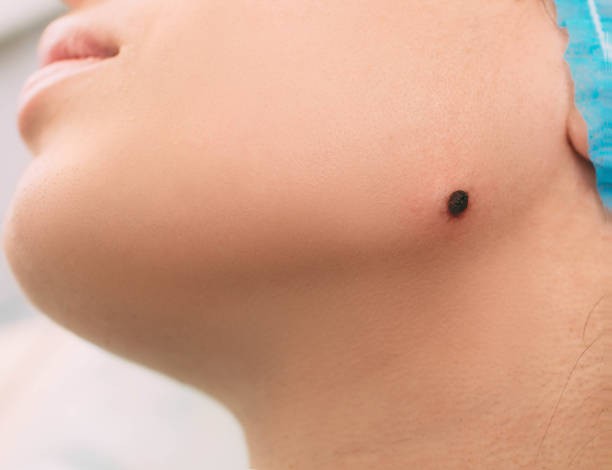
Skin warts may seem like minor concerns, but when they appear on the hands, feet, fingers, or other exposed areas, they can interfere with everyday activities. Some growths cause discomfort when walking or handling objects, while others become irritated by clothing or repeated friction. Their appearance may also affect personal confidence, particularly when they develop in visible areas. Understanding the causes of warts and the available treatment options can help individuals decide when to seek professional care. Warts removal treatment in Riyadh offers an opportunity to explore suitable approaches for managing persistent skin growths and reducing the disruption they may cause to daily life.
Understanding How Warts Affect Everyday Activities
Warts are noncancerous skin growths commonly associated with certain types of human papillomavirus (HPV). The virus can enter the outer layer of the skin through small cuts or breaks, leading to the development of raised, rough, or thickened areas. Warts can appear on different parts of the body and vary in size, texture, and number.
The impact of a wart often depends on its location. A growth on a fingertip may become irritated during typing, writing, or handling tools. Warts on the soles of the feet can cause tenderness during walking or standing. Those around the nails may become uncomfortable when pressure is applied, while visible facial warts can cause cosmetic concerns.
Not every bump is a wart. Corns, calluses, skin tags, and other skin conditions can look similar. A professional examination can help establish the likely cause before treatment begins.
Common Types of Warts and Their Daily Impact
Different types of warts can create different practical challenges. Recognising their general characteristics helps explain why treatment should be tailored to the affected area.
Common Warts on the Hands
Common warts often have a rough, raised surface and may develop around the fingers or backs of the hands. Their location can make routine tasks uncomfortable if the skin becomes irritated through repeated contact. Warts close to the nails need particular care because aggressive treatment may damage nearby tissue or affect nail growth.
Plantar Warts on the Feet
Plantar warts develop on the soles and may become flattened by pressure from walking. They can cause tenderness when located beneath the heel or ball of the foot. This discomfort may affect exercise, prolonged standing, or the choice of footwear.
Flat and Other Visible Warts
Flat warts tend to be smaller and smoother than common warts and may appear in groups. When they develop on visible areas, individuals may be concerned about their appearance. Treatment choices for the face or other sensitive skin require careful consideration because irritation, scarring, and pigmentation changes are possible.
When Should You Consider Professional Wart Treatment?
Some warts disappear naturally without treatment, although this may take months or longer. Others remain for extended periods, spread to nearby areas, or return after previous treatment. Professional assessment may be helpful when a wart causes persistent discomfort, interferes with daily activities, or creates ongoing cosmetic concerns.
It is particularly important to seek an assessment if a growth changes rapidly, bleeds without a clear cause, becomes unusually painful, or looks different from a typical wart. A healthcare professional can evaluate the lesion and determine whether further investigation is necessary.
People with diabetes, poor circulation, reduced sensation, or weakened immune systems should consult a qualified professional before attempting home wart removal, especially when growths are located on the feet.
Treatment Options for Managing Persistent Warts
The most appropriate treatment depends on the wart's location, thickness, size, duration, and response to previous care. A healthcare professional can explain the available methods and help select an approach that balances effectiveness with skin safety.
Cryotherapy
Cryotherapy uses a freezing agent, commonly liquid nitrogen, to damage wart tissue. The treated area gradually heals as the affected tissue breaks down. Several sessions may be needed, depending on the wart and its response.
Temporary discomfort, blistering, and changes in skin colour can occur. The method may not be suitable for every lesion, so assessment is important before treatment.
Topical Treatments
Certain topical products contain salicylic acid, which gradually removes layers of thickened wart tissue. These products may require consistent use over several weeks and can irritate surrounding skin if used incorrectly.
Products intended for ordinary hand or foot warts should not be applied to the face or sensitive areas unless specifically recommended by a qualified professional. People with underlying foot-health concerns should obtain medical advice before using these treatments.
Other Clinical Procedures
Warts that persist despite initial treatment may require other clinical approaches. Depending on the diagnosis and location, a professional may consider procedures that remove or destroy the affected tissue. Potential discomfort, healing time, scarring, and recurrence should be discussed before proceeding.
No treatment guarantees permanent removal. Warts can return, so follow-up may be useful when growths persist or reappear.
Skin Care Habits That Support Wart Management
Everyday skin care can help protect the affected area and reduce opportunities for spreading the virus. Avoid scratching, biting, picking, or cutting warts because these actions can damage the skin and transfer infected tissue to nearby areas.
Keep the skin clean, avoid sharing personal grooming tools, and wear suitable footwear in communal showers or changing areas. If a wart is on the foot, choose comfortable shoes that reduce friction and pressure on the affected area.
After professional treatment, follow the recommended aftercare instructions. Avoid picking at healing skin or applying additional chemicals without guidance. Seek medical advice if redness, swelling, warmth, discharge, or pain increases rather than gradually improving.
Making Wart Treatment Part of Your Skin-Care Plan
Managing a wart involves considering more than its appearance. Its location, effect on movement, sensitivity, and likelihood of recurrence can all influence the treatment plan. A professional assessment helps distinguish warts from other skin growths and identifies options suited to the individual's circumstances.
Warts removal treatment in Riyadh can help individuals explore appropriate clinical approaches for growths that persist or interfere with daily routines. Understanding the expected recovery process, possible side effects, and need for follow-up can support realistic expectations and informed decisions.
Conclusion: Take Steps Toward More Comfortable Daily Activities
Warts can affect routine activities when they cause friction, tenderness, or concerns about visible skin changes. Recognising their characteristics, protecting the affected area, and avoiding unsafe home removal methods are important parts of responsible skin care. When a growth persists, spreads, becomes painful, or changes in appearance, professional evaluation can help clarify the diagnosis and guide treatment decisions.
Royal Clinic Saudi provides a setting for individuals to enquire about skin concerns and discuss suitable treatment options with qualified professionals. If a skin growth is interfering with your everyday routine, arranging an assessment can help you understand the available approaches and determine an appropriate next step.
FAQs:
1. Can warts interfere with everyday activities?
Yes. Warts on the hands may become irritated during handling tasks, while plantar warts can cause discomfort when walking or standing. The impact depends on the growth's location and size.
2. How do I know whether a skin bump is a wart?
Warts often have a rough or thickened surface, but other skin conditions can look similar. A healthcare professional can examine the growth and recommend further assessment if needed.
3. How long does wart removal treatment take?
The timeline varies according to the treatment method and the wart's characteristics. Some growths improve after one procedure, while others require repeated treatment over several weeks or longer.
4. Can I prevent warts from spreading to other areas?
Avoid picking or scratching warts, keep the affected skin protected, and do not share personal grooming tools. These measures can reduce the chance of spreading the virus, although they cannot eliminate all risk.