

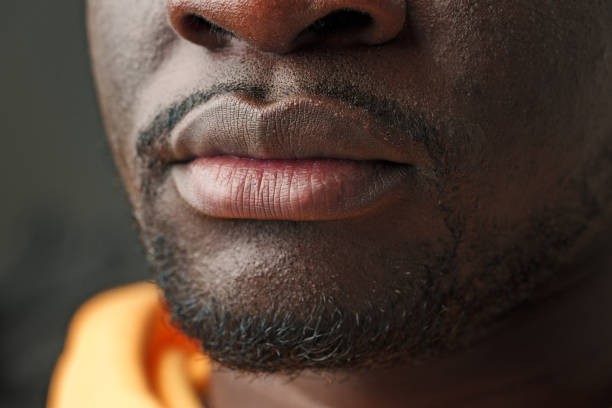
Lip pigmentation varies from person to person, making it important to understand individual skin characteristics before choosing a suitable treatment. Some people naturally have darker lips, while others develop uneven colour, brown patches, or changes in lip texture because of smoking, sun exposure, or irritation. Identifying the underlying cause helps people make informed decisions about lip care. Smoker’s lips treatment in Riyadh provides an opportunity to explore professional assessment, understand different pigmentation patterns, and learn about suitable approaches for improving lip appearance while respecting natural skin tone.
No single treatment works equally well for everyone because pigmentation differs in depth, distribution, and cause. Smoking may contribute to increased melanin production in some individuals, but genetics, inflammation, medications, and environmental exposure can also influence lip colour. Smoker’s lips treatment in Riyadh may involve a personalised assessment, supportive skincare, lifestyle adjustments, or selected professional procedures. Understanding individual needs helps establish realistic expectations and reduces the risk of choosing treatments that may irritate the lips or worsen discolouration.
Understanding Individual Lip Pigmentation
Lip pigmentation refers to the natural colour created partly by melanin and influenced by individual skin characteristics. Some people have evenly brown or darker lips naturally, while others notice new patches or gradual changes in their usual colour. Recognising these differences helps determine whether the concern is a normal variation or requires further assessment.
Common Types of Lip Pigmentation
Lip pigmentation may appear as uniform brown colouring, darker borders, scattered patches, or uneven areas across the upper and lower lips. The appearance alone cannot reliably identify its cause. A qualified healthcare professional can assess persistent or unusual changes and determine whether further investigation is needed before cosmetic treatment.
Factors That Influence Individual Pigmentation Needs
Several factors can affect the type of care a person may need. These include natural skin tone, smoking history, sun exposure, sensitivity to skincare products, medical history, and the depth of pigmentation. Understanding these details helps a practitioner recommend an appropriate approach rather than relying on a standard treatment plan.
Smoking, Genetics, and Sun Exposure
Smoking may stimulate melanin production and contribute to darker lips in some individuals. Genetics influence natural lip colour, while ultraviolet radiation can worsen pigmentation and damage delicate tissue. Allergic reactions and inflammation may also cause colour changes. Stopping smoking, using sun protection, and avoiding irritating products can help address contributing factors.
Professional Assessment Before Lip Pigmentation Treatment
A professional assessment is an important first step when considering treatment for uneven lip colour. The practitioner may review when the pigmentation began, whether it has changed, current skincare products, allergies, medication use, and previous procedures. This information helps distinguish likely cosmetic concerns from conditions that require medical evaluation.
Why Personalised Treatment Matters
Personalised treatment considers the person's pigmentation pattern, skin tone, sensitivity, and desired outcome. A procedure suitable for one individual may not be appropriate for another. The aim is to improve the appearance of unwanted pigmentation while minimising irritation and other complications. Natural lip colour varies, so complete colour uniformity should not be assumed or promised.
Exploring Treatment Options for Different Pigmentation Patterns
Treatment depends on the underlying cause and the condition of the lips. Some individuals may benefit from gentle skincare and sun protection, while selected cases may warrant professional procedures. A qualified practitioner can explain available options, their limitations, and the possible risks associated with each approach.
Laser Treatment for Selected Pigmentation Concerns
Certain laser procedures may help improve specific forms of pigmentation by targeting pigment within the skin. However, outcomes depend on the device, treatment settings, pigmentation depth, and individual skin characteristics. Potential risks include burns, scarring, and darker or lighter patches. Careful assessment is particularly important for darker skin tones because post-treatment pigmentation changes may occur.
Hydration and Gentle Skincare
Hydration helps maintain lip comfort and supports the skin barrier. Fragrance-free moisturising balms can reduce dryness, while broad-spectrum sun-protective lip products help limit ultraviolet exposure. Strong exfoliants, unverified lightening products, and harsh home remedies should be avoided because irritation can worsen discolouration. Product selection should reflect individual sensitivities and professional recommendations.
How to Maintain Healthy Lip Colour
Daily habits can help protect the lips and support treatment outcomes. Stopping smoking reduces ongoing tobacco exposure and benefits overall health. Applying moisturising lip balm, using broad-spectrum SPF 30 or higher lip protection outdoors, and avoiding biting or excessive rubbing can help maintain a healthier lip surface.
Monitoring Changes in Lip Pigmentation
Observe any new or changing patches and seek medical advice if pigmentation develops suddenly or is accompanied by pain, bleeding, a persistent sore, or an unusual lump. These changes should not automatically be treated as a cosmetic concern. Prompt assessment helps ensure that the appropriate care is selected.
Book an Appointment at Royal Clinic Saudi
If you want to understand your lip pigmentation and explore suitable care options, consider booking a consultation at Royal Clinic Saudi. A qualified professional can assess your concerns, discuss potential treatments, and explain the expected benefits, risks, and aftercare. Individualised guidance can help you make informed decisions based on your lip condition and personal goals.
FAQs:
1. Why do lip pigmentation patterns differ between people?
Genetics, melanin levels, smoking, sun exposure, and irritation can influence lip colour.
2. Can every type of lip pigmentation be treated?
Not every type requires treatment, and results depend on the underlying cause.
3. Is laser treatment suitable for all skin tones?
No. A professional must assess suitability and the risk of pigmentation changes.
4. How can I protect my natural lip colour?
Avoid smoking, use SPF lip balm, and maintain gentle daily lip care.