

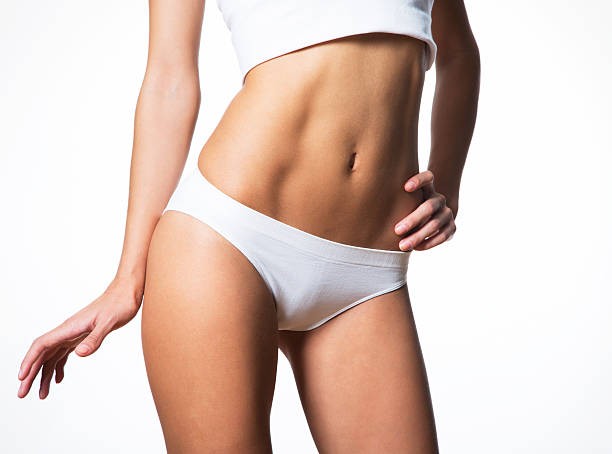
Recovering after cosmetic surgery involves following proper aftercare instructions to support healing and manage temporary discomfort. One commonly recommended part of recovery is wearing a compression garment over the treated areas. Liposuction in Riyadh (عملية شفط الدهون في الرياض) is a body contouring procedure that removes localized fat deposits, and compression wear may help manage swelling and provide gentle support during the healing process. Understanding how these garments work, how to wear them correctly, and when to seek medical advice can help patients prepare for a more comfortable recovery.
How Compression Garments Support Healing
Compression garments apply gentle, consistent pressure to the treated areas after surgery. This pressure may help control swelling, provide support to healing tissues, and reduce movement-related discomfort. Liposuction in Riyadh may involve the abdomen, waist, hips, thighs, or arms, so the garment's design depends on the areas treated. Compression wear does not replace proper wound care or guarantee a particular cosmetic result. Patients should follow their surgeon's recommendations regarding garment type, fit, and duration of use.
Key Benefits of Compression Wear
Helping Manage Swelling
Swelling is a normal part of the healing process following liposuction. A properly fitted garment may help manage fluid accumulation and support comfort as the body recovers. Swelling generally improves gradually, although the timeline varies between individuals.
Providing Support to Treated Areas
Compression garments can help support the treated tissues during everyday movements. Some patients find this support helpful when walking, sitting, or changing positions during the early recovery period. The garment should feel secure without causing pain, numbness, or restricted breathing.
Supporting Contour Recovery
As swelling decreases, the body's contours gradually become easier to assess. Compression wear may help support the treated area during healing, but it cannot guarantee perfectly smooth skin or prevent every contour irregularity. Final results depend on surgical technique, skin elasticity, individual healing, and other factors.
Choosing the Right Compression Garment
Selecting the Correct Size
A compression garment should fit snugly while allowing comfortable movement and normal breathing. A garment that is too tight may cause discomfort, skin irritation, numbness, or circulation problems. Patients should ask their medical team to recommend the correct size and fit rather than choosing a tighter garment to try to improve results.
Considering the Treatment Area
Different procedures require different garment designs. Abdominal liposuction may require a garment that supports the midsection, while treatment of the thighs or arms may require specialized clothing for those areas. The surgeon or care team can explain which design is suitable for the procedure performed.
Choosing Comfortable Materials
Soft, breathable materials may help reduce irritation and improve comfort during extended wear. Patients should keep the garment clean and dry and follow the care instructions provided by the medical team. If the garment rubs against incisions or causes a rash, professional guidance may be needed.
How Long Should Compression Wear Be Used?
The recommended duration varies according to the treatment area, surgical technique, and individual recovery. Some patients are advised to wear compression garments for several weeks, while others may receive different instructions. Patients should follow their surgeon's specific schedule and ask before removing or discontinuing the garment. Compression wear should never be used so tightly that it causes pain, numbness, skin discoloration, or breathing difficulties.
Additional Liposuction Recovery Tips
Compression wear is only one part of postoperative care. Patients should follow wound care instructions, attend scheduled follow-up appointments, stay hydrated, and maintain appropriate nutrition. Gentle walking may be encouraged to support circulation, while strenuous exercise should be avoided until the surgeon confirms it is safe. Patients should also take prescribed medication as directed and avoid changing their treatment plan without medical advice. Sudden shortness of breath, chest pain, severe pain, or significant one-sided leg swelling requires urgent medical assessment.
Maintaining Results After Recovery
Liposuction removes fat cells from the treated areas, but remaining fat cells can enlarge with significant weight gain. Once recovery is complete, maintaining a stable weight through balanced nutrition and regular physical activity can help preserve body contours. Compression garments do not prevent future weight gain, and they cannot replace healthy long-term habits. Follow-up appointments allow the medical team to monitor healing and address concerns about swelling or contour changes.
Book Your Consultation at Royal Clinic Saudi
Royal Clinic Saudi (عيادات رويال كلينك) provides an opportunity to discuss body contouring options and learn about postoperative care. Schedule a consultation to understand the liposuction process, ask about compression garment recommendations, and receive personalized guidance from a qualified medical professional.
FAQs:
Why is compression wear recommended after liposuction?
It may help manage swelling and support healing tissues.
How long should I wear a compression garment?
Follow your surgeon's instructions, as duration varies by procedure and recovery.
Can compression wear be too tight?
Yes, excessive tightness can cause pain, numbness, skin changes, or breathing difficulties.
Does compression wear guarantee better results?
No, results also depend on surgical technique, skin elasticity, and individual healing.