

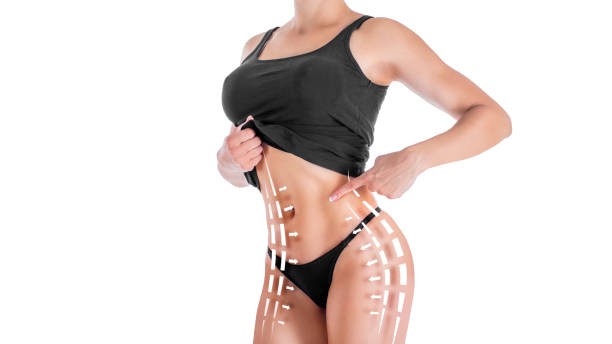
The hip area plays an important role in the overall appearance and balance of the body. However, localized fat deposits around the hips can sometimes make the waistline appear less defined, even when a person maintains a healthy lifestyle. For individuals who struggle with stubborn fat in this region, Liposuction in Riyadh may be considered as a body-contouring procedure designed to remove selected fat deposits and create smoother transitions between the waist, hips, and thighs. Understanding how the treatment works can help individuals decide whether it matches their aesthetic goals.
Hip fat distribution varies from person to person and is influenced by factors such as genetics, age, and natural body structure. Exercise and balanced nutrition support general health, but they may not significantly change every area where fat is stored. In these situations, Liposuction in Riyadh can offer a surgical approach to refining the hip contour by targeting specific areas of excess fat. The purpose is not overall weight reduction but improving the shape and proportion of the treated region.
Understanding Fat Distribution Around the Hips
The hips are part of a connected body-contour area that includes the waist, lower abdomen, flanks, and upper thighs. Fat accumulation in one or more of these regions can affect how the body's natural curves appear. Some individuals notice fullness along the outer hips, while others experience excess fat around the sides of the waist or the transition between the hips and thighs.
Why Hip Fat Can Be Difficult to Change
Fat distribution is partly determined by genetics, meaning certain areas may retain fat even when other parts of the body become leaner. Hormonal changes and natural ageing can also influence how the body stores fat. Although physical activity can improve muscle tone and general fitness, it cannot guarantee targeted fat loss from a particular region.
How Liposuction Refines Hip Contours
Liposuction involves removing localized fat through a surgical technique that uses a narrow cannula. The surgeon makes small incisions and carefully removes selected fat deposits to reshape the treatment area. When performed around the hips, the procedure may help reduce unwanted fullness and create a more balanced outline.
Creating a Smoother Waist-to-Hip Transition
The relationship between the waist and hips contributes significantly to the body's silhouette. Excess fat around the sides of the waist can make this transition appear less distinct. Carefully planned fat removal may help create a smoother contour while maintaining natural proportions. The amount and location of fat removed depend on the individual's anatomy, skin quality, and desired outcome.
Addressing the Outer Hip Area
Some people have persistent fullness around the outer hips that affects the appearance of their lower body. Liposuction may be used to reduce suitable fat deposits in this region. However, the procedure must be planned carefully because removing too much fat can create uneven contours or an unnatural appearance.
The Importance of Individual Treatment Planning
Every person's hip structure and fat distribution are different. A consultation allows a qualified surgeon to assess the treatment area, review medical history, and understand the individual's expectations. The surgeon also evaluates skin elasticity because the skin needs sufficient ability to adjust to the body's new contours after fat removal.
A suitable treatment plan considers how the hips connect with nearby areas. Treating the hips without considering the waist or flanks may not always produce the most balanced appearance. The surgeon determines which areas are appropriate for treatment and explains realistic results, potential limitations, and possible complications.
Recovery and Expected Results
Recovery after liposuction varies according to the extent of treatment and individual healing. Swelling, bruising, tenderness, and temporary changes in sensation can occur during the initial recovery period. Patients are usually given specific aftercare instructions, which may include wearing a compression garment, limiting strenuous activity, and attending follow-up appointments.
Initial changes may be noticeable after surgery, but swelling can take time to settle. The final contour gradually becomes clearer as the body heals. Maintaining a stable weight and following healthy lifestyle habits can help preserve the results. Liposuction does not prevent future weight changes or replace healthy nutrition and physical activity.
Who May Consider Hip Liposuction?
People who have localized fat deposits around the hips, are close to a stable and healthy weight, and have realistic expectations may be potential candidates. Good skin elasticity can also support a smoother outcome. However, liposuction is not suitable for everyone and is not a treatment for obesity, loose skin, or cellulite. A medical assessment is necessary to determine whether surgery is appropriate.
Book a Liposuction Consultation at Royal Clinic Saudi
If stubborn fullness around the hips affects your body-contouring goals, a professional consultation can help you understand the available options. At Royal Clinic Saudi, individuals can discuss Liposuction in Riyadh, receive an assessment of their concerns, and learn whether a personalized treatment plan may be suitable for their body shape.
FAQs:
1. Can liposuction improve hip definition?
Yes, it can reduce selected fat deposits and refine the hip contour.
2. Does hip liposuction help with overall weight loss?
No, it is intended for localized fat removal rather than general weight reduction.
3. How long does it take to see the results?
Results become clearer as swelling gradually decreases during recovery.
4. Is everyone suitable for hip liposuction?
No, suitability depends on health, skin elasticity, anatomy, and medical assessment.