

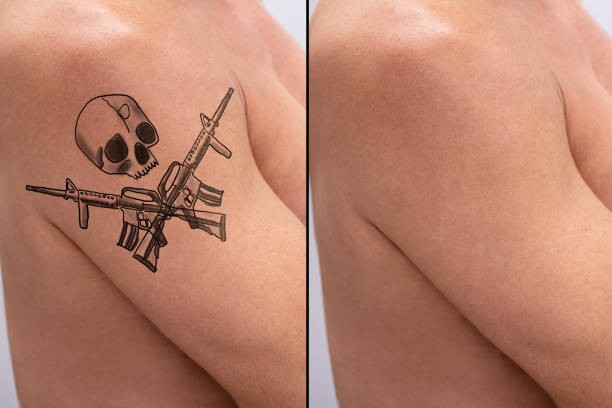
Tattoos can represent meaningful experiences, personal milestones, or creative expression. However, preferences and circumstances can change over time, making a once-important design feel less suitable. Some people may wish to remove a tattoo because it no longer reflects their identity, while others may want to create space for a different design. Laser tattoo removal in Riyadh offers an established approach for gradually reducing unwanted tattoo pigment and helping individuals work toward clearer-looking skin.
Choosing to remove a tattoo is a personal decision that deserves careful consideration. Before beginning treatment, it is important to understand how laser technology works, what influences the removal process, and why professional assessment matters. Laser tattoo removal in Riyadh can be planned according to the tattoo's characteristics and the individual's skin type, allowing treatment expectations to be discussed before sessions begin.
How Laser Technology Helps Reduce Tattoo Ink
The Science Behind Laser Treatment
Tattoo ink is deposited beneath the skin's surface, which is why ordinary cleansing and topical skincare products cannot remove it. Laser treatment uses focused pulses of light that target selected tattoo pigments. The energy is absorbed by the ink particles, breaking them into smaller fragments that the body's natural processes can gradually clear.
Different laser wavelengths are used to address different pigment colours. The appropriate approach depends on the tattoo's ink composition, depth, and other characteristics. A qualified practitioner assesses these factors before recommending a treatment plan, helping ensure that the selected technology is suitable for the area being treated.
Why Multiple Sessions Are Usually Needed
Tattoo pigment is not generally removed in a single appointment. The ink is distributed at different depths and may contain several colours, so gradual treatment is usually necessary. Sessions are spaced apart to allow the skin to recover and the body to process fragmented pigment between appointments.
The number of sessions varies considerably. Tattoo size, age, ink density, colour, location, and previous treatment history can all influence the response. A professional consultation can provide a more realistic estimate, although individual results cannot be guaranteed.
Factors That Influence Tattoo Removal
Ink Colour and Composition
Some tattoo colours respond more readily to particular laser wavelengths than others. Dark pigments, especially black ink, often respond well to commonly used laser systems. Certain lighter or brighter colours may require different wavelengths and can be more challenging to fade. The exact ink composition may also affect how the pigment responds.
Tattoo Age, Depth, and Density
Older tattoos may have already faded naturally, which can sometimes make them easier to treat than newer designs. However, this is not always the case. Professional tattoos may contain dense, deeply deposited pigment, while amateur tattoos can vary in depth and concentration. These differences are considered during treatment planning.
Skin Type and Treatment Area
A person's natural skin tone and the location of the tattoo can influence laser selection and treatment settings. Areas with different circulation, skin thickness, and healing characteristics may respond differently. Careful assessment helps practitioners choose an appropriate approach while considering the risk of irritation or pigment changes.
What to Expect During a Treatment Session
A laser tattoo removal appointment generally begins with an examination of the tattoo and the surrounding skin. The practitioner reviews relevant medical and skin history, discusses expectations, and explains the treatment process. Protective eyewear is used to shield the eyes from laser light.
During the procedure, the laser is directed over the tattoo in controlled pulses. People may experience a snapping or stinging sensation, although comfort measures such as cooling may be used when appropriate. The duration depends on the tattoo's size, location, and complexity. After treatment, temporary redness, swelling, tenderness, or blistering may occur as part of the skin's response.
Caring for Your Skin After Laser Treatment
Aftercare is an important part of the removal process. Following the practitioner's instructions helps support skin recovery and reduces the likelihood of avoidable complications. The treated area should be kept clean and protected, and any recommended dressing or ointment should be used as directed.
It is important not to scratch, pick, or deliberately remove scabs or blisters. Doing so can interfere with healing and increase the risk of scarring or infection. Sun protection is also essential because treated skin may be more sensitive to sunlight. Avoiding unnecessary friction and following guidance about exercise, swimming, and skincare products can further support recovery.
If severe pain, spreading redness, unusual discharge, fever, or other concerning symptoms develop, seek medical advice promptly rather than attempting to manage the issue independently.
Understanding Possible Results and Limitations
Laser treatment can significantly fade many tattoos, but complete removal is not guaranteed. Some pigments may remain visible, and the final appearance can vary between individuals. Temporary changes in skin colour are possible, while scarring and other complications are less common when treatment is appropriately selected and performed.
It is also important to understand that fading a tattoo and removing every trace of ink are not necessarily the same outcome. People considering a cover-up may need sufficient fading rather than complete removal. Discussing the intended result during consultation helps establish a treatment plan that reflects personal goals.
Choosing Professional Care for Tattoo Removal
Selecting an experienced provider is an important step when considering laser treatment. A proper assessment should include the tattoo's size, colours, depth, skin characteristics, and any history of previous removal attempts. Patients should also receive clear information about potential side effects, expected recovery, session intervals, and realistic outcomes.
A personalised approach is preferable to using identical settings for every tattoo. Treatment should be adjusted according to the individual's response and the condition of the skin between sessions. This helps make the process more considered and supports informed decisions throughout the removal journey.
Book a Consultation at Royal Clinic Saudi
If you are considering fading an unwanted tattoo, a professional consultation can help you understand the available options. Royal Clinic Saudi can assess your tattoo and skin characteristics, discuss suitable laser treatment approaches, and explain what to expect throughout the process. An individualised plan can help you make an informed decision about working toward clearer-looking skin.
FAQs:
1. Can laser treatment completely remove every tattoo?
Complete removal is not guaranteed. Results depend on the tattoo's pigment, depth, age, and individual skin response.
2. Is laser tattoo removal suitable for all skin types?
Many skin types may be suitable, but laser selection and settings should be determined through a professional skin assessment.
3. How long should I wait between laser sessions?
Sessions are usually spaced several weeks apart to allow the skin to recover and the body to clear fragmented pigment. Your practitioner will recommend an appropriate interval.
4. Can I return to my normal routine after treatment?
Many people resume routine activities soon afterward, but the treated area needs appropriate aftercare. Follow your practitioner's advice about sun exposure, exercise, and activities that may irritate the skin.