

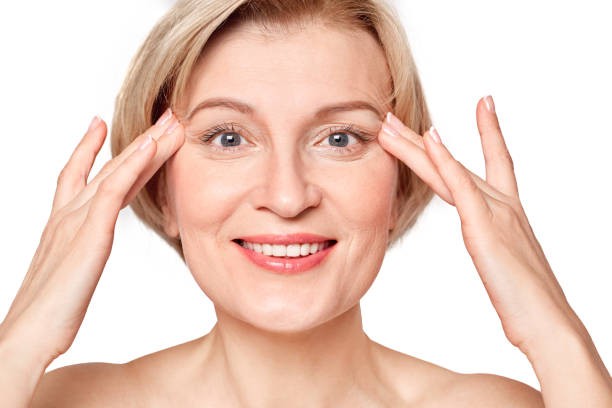
The area beneath the eyes has a delicate structure that plays an important role in overall facial balance. Changes in skin texture, fat distribution, tissue support, and natural volume can create visible irregularities such as puffiness, hollows, fine lines, and uneven contours. These concerns may make the face appear tired or older than it actually is. Considering Eye bag removal in Riyadh can help individuals understand the available approaches for addressing persistent under-eye fullness and improving the appearance of the lower eyelids. The goal of treatment is to create a smoother transition between the eyes and cheeks while preserving natural facial features.
Under-eye irregularities do not always develop for the same reasons. Some people experience prominent fat pockets, while others notice loose skin, deep grooves, or a combination of structural changes. Eye bag removal in Riyadh involves evaluating these differences before selecting an appropriate cosmetic approach. Factors such as skin elasticity, eyelid position, facial anatomy, and the condition of surrounding tissues can influence treatment planning. Understanding the source of the irregularity is essential for achieving a balanced appearance rather than focusing only on the visible surface concern.
What Causes Under-Eye Irregularities?
The lower eyelid contains several structures that work together to maintain its natural shape. When these structures change over time, the area may develop uneven contours or noticeable fullness.
Changes in Fat Distribution
Fat beneath the eyes provides natural cushioning and support. However, changes in the tissues surrounding these fat compartments may allow them to become more prominent. This can create rounded areas beneath the eyes that are commonly described as under-eye bags. Genetics may also influence fat distribution, meaning some individuals notice this concern earlier in life.
Loss of Skin Elasticity
The skin around the eyes is naturally thin and sensitive. As collagen and elastin gradually decrease with age, the lower eyelid skin may become less firm. This can contribute to fine lines, loose folds, and a creased appearance. When skin laxity occurs alongside prominent fat, the irregularities may become more noticeable.
Under-Eye Hollowness
Some individuals develop a hollow appearance beneath the lower eyelids due to natural facial anatomy or changes in soft-tissue volume. This creates a visible difference between the lower eyelid and upper cheek. Hollowness can also produce shadows that make the area appear darker or more tired.
Weakening of Supporting Tissues
The muscles, connective tissues, and ligaments surrounding the eyes help maintain lower eyelid position. Changes in their strength or elasticity may affect the contour of the area. When tissue support decreases, fat protrusion and skin laxity can become more apparent.
How Under-Eye Irregularities Affect Facial Appearance
Even relatively small changes beneath the eyes can influence how the entire face is perceived. Puffiness may create a heavier appearance, while deep hollows can produce shadows that emphasize facial fatigue. Uneven lower eyelid contours may also interrupt the smooth transition between the eyes and cheeks.
These changes do not necessarily indicate poor skin health or a medical problem. They may simply reflect natural anatomy, genetics, or aging. However, individuals who feel that persistent under-eye irregularities affect their appearance may explore cosmetic treatment options after a professional assessment.
Treatment Approaches for Improving Lower Eyelid Contours
The appropriate treatment depends on the underlying cause of the irregularity. A qualified surgeon should assess the lower eyelids and surrounding facial structures before recommending a procedure.
Lower Eyelid Blepharoplasty
Lower blepharoplasty is a surgical procedure commonly considered for prominent under-eye bags and selected cases of excess skin. Depending on the individual's anatomy, it may involve removing or repositioning fat and adjusting loose skin. The objective is to improve the lower eyelid contour without creating excessive tightness or changing the natural eye shape.
Fat Repositioning
When under-eye fullness occurs alongside hollowness, fat repositioning may be considered. This approach redistributes selected fat tissue to create a smoother transition between the lower eyelid and cheek. Preserving appropriate volume is important because excessive fat removal can result in an overly hollow appearance.
Skin Adjustment
For individuals with noticeable skin laxity, carefully planned skin adjustment may help reduce loose folds. The amount of skin addressed depends on elasticity, eyelid support, and overall anatomy. Conservative planning is essential because excessive skin removal may affect lower eyelid position and function.
The Importance of Personalized Treatment Planning
Every individual has different facial proportions and lower eyelid characteristics. A treatment approach that is appropriate for someone with prominent fat pockets may not be suitable for someone whose main concern is hollowness or loose skin.
During an assessment, the surgeon may evaluate:
-
The amount and position of fat beneath the eyes.
-
Skin thickness, elasticity, and visible wrinkles.
-
Lower eyelid tone and supporting structures.
-
The transition between the lower eyelids and cheeks.
-
Existing asymmetry and overall facial proportions.
-
Eye health, previous procedures, and relevant medical history.
This evaluation helps determine whether surgery is appropriate and which technique may address the concern most effectively. Patients should also discuss their expectations, possible limitations, and potential complications before making a decision.
Recovery and Maintaining Healthy Under-Eye Appearance
Recovery after lower eyelid surgery varies according to the procedure and individual healing response. Temporary bruising, swelling, tightness, and mild discomfort may occur during the initial recovery period. Patients should follow the surgeon's instructions regarding cleaning, medication, physical activity, and follow-up appointments.
The final appearance develops gradually as swelling settles and tissues heal. Avoiding unnecessary pressure around the eyes and following postoperative guidance can support recovery. Patients should also understand that cosmetic surgery does not stop natural aging or guarantee permanent freedom from under-eye changes.
Maintaining general skin health through appropriate sun protection, hydration, and a consistent skincare routine may help support the appearance of the delicate eye area. However, these habits cannot correct structural fat protrusion or significant skin laxity.
Considering Eye Bag Removal in Riyadh for Smoother Contours
Choosing a suitable procedure requires understanding whether under-eye irregularities are caused by fat protrusion, skin laxity, hollowness, or reduced tissue support. Eye bag removal in Riyadh may be an option for individuals experiencing persistent under-eye fullness, but the recommended approach should always reflect their individual anatomy and aesthetic goals. A detailed consultation helps establish whether lower eyelid surgery is appropriate and how treatment can improve contour while preserving natural facial expressions and eyelid function.
Book a Consultation at Royal Clinic Saudi
If uneven under-eye contours, puffiness, or loose skin are affecting your facial appearance, a professional consultation can help you explore suitable treatment options. Royal Clinic Saudi provides an opportunity to discuss your concerns, understand your lower eyelid anatomy, and consider an individualized approach to cosmetic rejuvenation. The focus should be on realistic improvements that complement your natural facial features.
Frequently Asked Questions
1. What are the common causes of under-eye irregularities?
Under-eye irregularities may result from fat protrusion, skin laxity, volume loss, genetics, aging, or changes in supporting tissues.
2. Can lower eyelid surgery improve uneven under-eye contours?
Yes. Depending on the cause, lower eyelid surgery may address prominent fat, excess skin, or selected contour irregularities.
3. Is fat repositioning suitable for under-eye hollowness?
It may be considered when under-eye fullness and hollowness occur together. Suitability depends on individual anatomy and professional assessment.
4. How long does recovery from lower eyelid surgery take?
Recovery varies between individuals. Initial swelling and bruising generally improve gradually, while the final appearance may take longer to develop.