

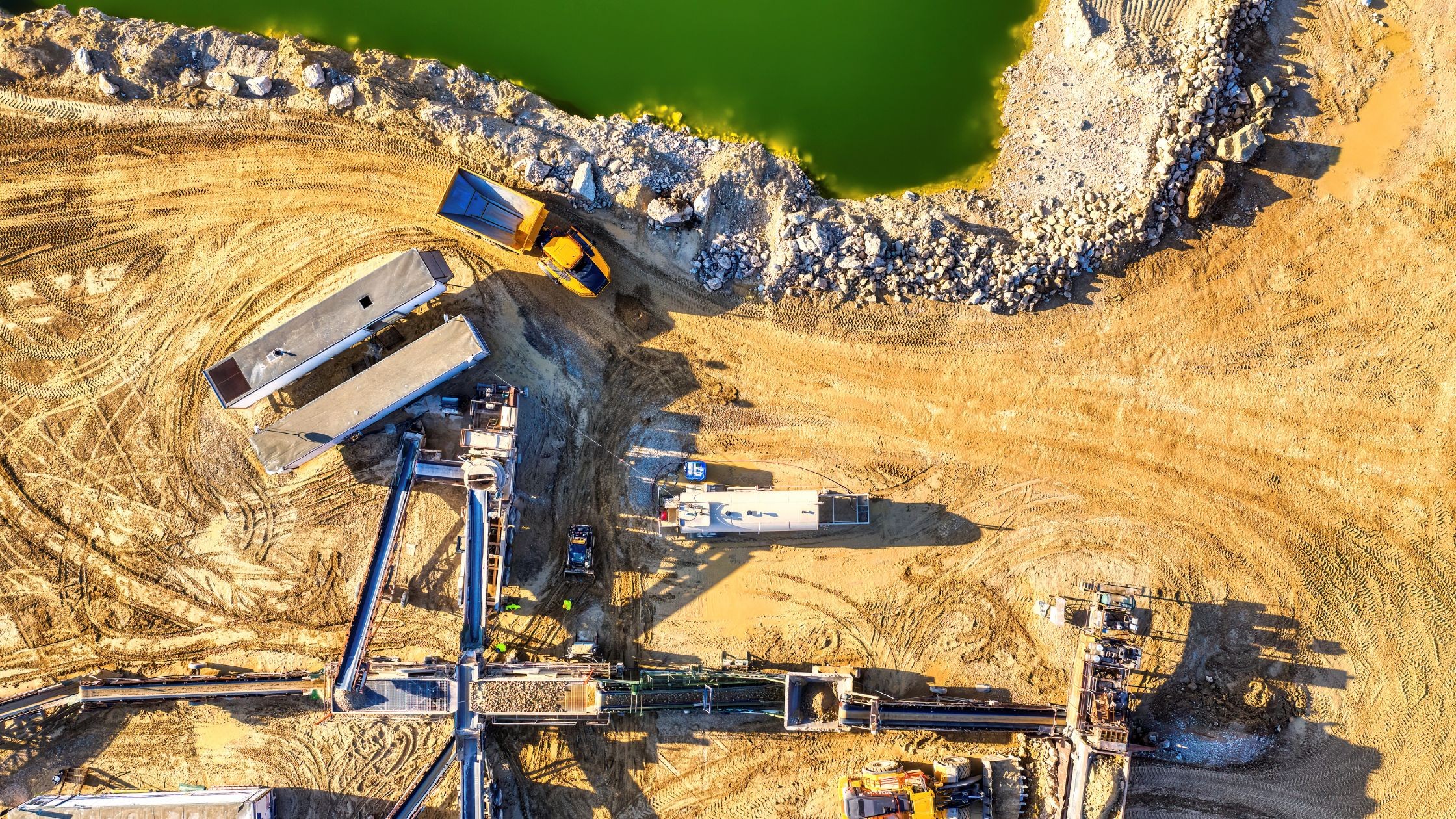
Building site preparation is one of the crucial undertakings when doing any building project. The site should be cleared, smoothed out, and neatened before a base is laid or materials are delivered to facilitate quality and efficient working conditions. A lack of understanding of good site preparation may introduce delays, cost escalation, structural issues, and safety risks in the late development of the project. This is why this stage is highly emphasized by builders and contractors.
Regardless of whether you are building a small house or a high-rise office, site preparation is a process that has a set of key steps. These involve land surveying, clearing, soil testing, and installation of drainage. All these steps are essential in facilitating the running of the construction process.
What Is Site Preparation?
Site preparation is the process that involves the preparation of land before construction. It entails clearing of undesired contents, molding of the earth, and making sure the site is level and secure to construct on.
Key Objectives:
-
Provide a flat and even surface.
-
Ensure proper drainage
-
Eliminate dangers and barriers.
-
Ready foundation work.
Step-by-Step Process to Prepare a Building Site
Step 1: Planning and Survey of the Site
A survey must be undertaken in detail before any physical work can be commenced.
-
Measure land boundaries
-
Determine angles and altitudes.
-
Find utilities (water, gas, electricity)
-
Local building regulations.
Professional planning, often supported by construction estimating companies in USA, helps determine project scope, costs, and feasibility before work begins.
Step 2: Get Permits and Approvals
-
Without good approvals, construction cannot commence.
-
Obtain building permits.
-
Follow zoning regulations
-
Ensure environmental compliance
-
Failure to do this may cause legal proceedings and delays in the project.
Step 3: Evacuate the Land
-
The next thing is to clear out anything that can be a hindrance to construction.
-
Eliminate trees, bushes, and plants.
-
Obvious rocks and debris.
-
Clear new business areas made.
-
This forms a tidy and functional space.
Step 4: Soil Testing and Analysis
-
The strength of the structure is directly dependent on the soil condition.
-
Evaluate the stability and composition of the test soil.
-
Check drainage capability
-
Determine the possibilities of problems such as erosion.
-
The builders make decisions on the type of foundation to be used based on the findings.
Step 5: Excavating and Grading
-
This process hones the land to be built.
-
Prepare the foundation soil.
-
Level uneven areas
-
Establish adequate slopes to drain.
-
Grading makes sure that water will move away.
Step 6: Install Drainage System
-
Water damage is avoided by draining water properly.
-
Install drains and drainage lines.
-
Move water off the site.
-
Prevent soil erosion
-
Proper drainage will extend the structure's life.
Step 7: Install Temporary Utilities
-
Simple facilities are required, although the work has not started yet.
-
Temporary water supply
-
Electricity connection
-
Sanitation facilities
-
These are necessary for workers and equipment on the site.
Step 8: Mark Building Layout
-
The structure dictates the area where the structure is to be constructed.
-
Boundaries to be marked using stakes and strings.
-
Outline foundation lines
-
Ensure accurate positioning
A detailed sitework takeoff is often used at this stage to calculate earthwork quantities and ensure accurate planning.
Step 9: Install Site Access and Safety Measures
-
Access and safety are vital.
-
Provide vehicle access roads.
-
Install fencing at the site.
-
Place warning signs
-
Ensure proper lighting
-
A safe site minimizes accidents and enhances efficiency.
Tools and Equipment Used
In general, some of the tools utilized in the preparation of a site are:
-
Excavators and bulldozers
-
Dump trucks
-
Surveying equipment
-
Graders
-
Compactors
-
The right equipment will hasten the process and also be accurate.
Common Mistakes to Avoid
The following are some pitfalls to avoid when preparing a site:
-
Skipping soil testing
-
Poor drainage planning
-
Ignoring safety measures
-
Inaccurate site measurements
-
Hurrying to get ready.
Such oversights may cause grave construction problems in the future.
Importance of Proper Site Preparation
There are several advantages associated with proper site preparation.
-
Well-established and robust background.
-
Less susceptibility to structural damage.
-
Faster and more secure worker protection.
-
Faster construction process
-
Reduce the long-term maintenance expenses.
-
It forms the basis of the project.
Cost Considerations
-
The site preparation costs can vary depending on:
-
Size of the land
-
Soil condition
-
This is the amount of clearing to be obtained.
-
Machinery and manpower expenses.
-
In advance planning assists in controlling the cost and preventing unforeseen expenditures.
Tips for Efficient Site Preparation
-
Ponder out all steps beforehand.
-
Hire experienced professionals
-
Use modern equipment
-
Monitor progress regularly
-
Follow safety standards
-
Productivity here conserves time and money in the future.
Conclusion
Building site preparation is an important endeavor that is determinant to the success of any construction project. Back to surveying and clearing the land, to the grading and drainage system installation, every process is helpful to establish a safe and stable base. Site preparation would not only lead to a hassle-free construction process but would also assist in avoiding later troubles like structural degradation or even water shortage.
With the right procedure and the possible pitfalls to avoid, you can start your project right. All of these will result in an improved result, more security, and a longer-lasting durability of the structure due to the time invested in the proper preparation of the site. Whether a small residential preparation or a major development, proper site preparation is what will lead to successful construction.
FAQs
What is the importance of site preparation in construction?
It provides a firm foundation, eliminates structural problems, and enhances safety.
What is the time spent in preparing the site?
Depending on the size of the project and the condition of the land, it may take a few days or several weeks.
What is the first step in site preparation?
The initial one is a site survey and planning of the project layout.