Skip to navigation Skip to navigation Skip to search form Skip to login form Skip to main content Skip to accessibility options Skip to footer
If you continue browsing this website, you agree to our policies:
Continue
Close
Skip accessibility options
Text size
Line height
Text spacing

Blog entry by Sheikh Ahmed

How A Project Management System Changes The Way Your Business Handles Work

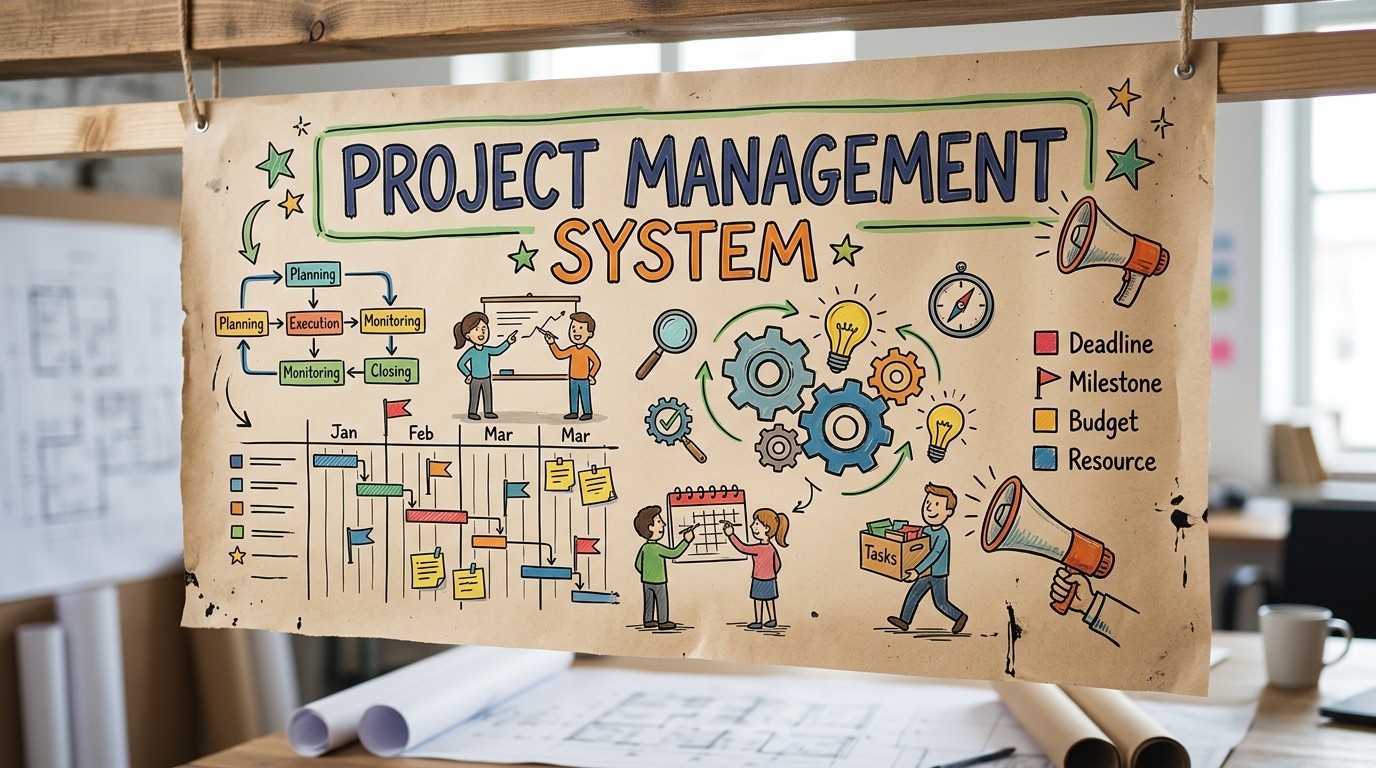
Businesses today manage multiple projects, teams, deadlines, and daily responsibilities at the same time. As operations become more complex, keeping track of tasks, communication, documents, and project progress becomes increasingly difficult. This is why many organizations are adopting a Project management system to organize work, improve collaboration, and maintain better control over business activities.

The growing use of a Project management system reflects the need for structured workflows and improved operational visibility. Instead of relying on spreadsheets, email conversations, or disconnected software, businesses are using centralized platforms that bring project planning, task management, document sharing, and reporting together. This approach helps teams stay organized while allowing managers to monitor project progress more efficiently.

Growing Need for Better Project Management

Every business works on projects, whether launching a new product, delivering client services, managing internal operations, or coordinating marketing campaigns. As the number of projects increases, so does the challenge of managing responsibilities and deadlines.

Without an organized system, businesses often experience

  • Missed deadlines
  • Communication gaps
  • Duplicate work
  • Unclear responsibilities
  • Difficulty tracking progress
  • Delayed decision making

A project management platform helps reduce these challenges by providing one place where teams can organize, monitor, and complete their work.

What Is a Project Management System

A Project management system is a digital platform that helps organizations plan, organize, execute, and monitor projects from beginning to completion. It allows businesses to assign tasks, manage schedules, share documents, communicate with team members, and track overall project performance.

Most project management systems include

  • Task management
  • Project scheduling
  • Team collaboration
  • Document sharing
  • Workflow management
  • Progress tracking
  • Reporting dashboards
  • Resource management
  • Notifications
  • Activity history

These features help businesses improve coordination while reducing manual administrative work.

How a Project Management System Organizes Daily Work

Managing projects involves many moving parts. Employees need clear responsibilities, managers require visibility into progress, and stakeholders expect timely updates.

A Project management system brings all project activities together through one centralized workspace where everyone can access the same information.

This helps businesses

  • Organize projects more effectively
  • Assign responsibilities clearly
  • Monitor deadlines
  • Track completed work
  • Improve communication
  • Reduce confusion between departments

Centralized project information allows teams to spend less time searching for updates and more time completing meaningful work.

Task Management Improves Accountability

Task management is one of the most valuable functions of a project management platform. Every project consists of multiple activities that must be completed in the correct order.

Task management features allow businesses to

  • Create tasks
  • Assign team members
  • Set priorities
  • Define deadlines
  • Monitor progress
  • Track completion status

Employees gain a better understanding of their responsibilities, while managers can quickly identify delays before they affect the overall project.

Team Collaboration Strengthens Communication

Successful projects depend on effective communication between employees, departments, and stakeholders.

A Project management system supports collaboration through

  • Team discussions
  • Shared workspaces
  • Project updates
  • File sharing
  • Activity notifications
  • Meeting coordination

Keeping communication connected to projects reduces misunderstandings and ensures that important information remains easy to access.

Document Management Keeps Information Organized

Projects often involve contracts, reports, presentations, technical documents, and planning materials. Managing these files through email or multiple storage locations can create confusion.

A project management platform provides centralized document management where employees can

  • Upload project files
  • Organize documents
  • Share resources
  • Access current versions
  • Manage permissions

This improves collaboration while reducing the risk of using outdated information.

Key Features Businesses Should Look For

Choosing the right project management solution requires evaluating features that support efficient project delivery.

Feature Business Benefit
Task Management Organizes work and responsibilities
Project Scheduling Improves planning and deadline management
Team Collaboration Supports communication across departments
File Sharing Centralizes project documents
Workflow Management Standardizes business processes
Reporting Dashboards Provides project visibility
Resource Management Balances team workloads

These capabilities help businesses manage projects more efficiently while improving coordination across teams.

Benefits of Using a Project Management System

Organizations adopt project management platforms because they support better planning, communication, and productivity.

Better Project Visibility

Managers can review project progress, pending activities, completed tasks, and upcoming deadlines through centralized dashboards.

Improved Collaboration

Employees can communicate, share files, and coordinate tasks without switching between multiple applications.

Faster Decision Making

Access to accurate project information allows managers to respond quickly to challenges and adjust project plans when necessary.

Reduced Administrative Work

Automation of routine activities such as reminders, status updates, and recurring tasks reduces manual effort and improves efficiency.

Better Resource Management

Project managers can distribute workloads more effectively, helping teams maintain productivity while avoiding resource conflicts.

Workflow Management Creates More Consistent Processes

Every project follows a series of activities that need to happen in the correct order. Without a structured workflow, approvals, task assignments, and project updates can become delayed, affecting overall productivity.

A Project management system helps businesses standardize workflows by creating clear processes for different project activities.

Examples include

  • Project approvals
  • Task assignments
  • Progress reviews
  • Document verification
  • Change requests
  • Team notifications

Standardized workflows reduce unnecessary delays and help projects move forward in a more organized manner.

Supporting Remote and Hybrid Teams

Many organizations now operate with employees working from offices, home locations, and client sites. Managing projects across different locations requires reliable communication and easy access to project information.

A project management platform supports remote collaboration by allowing team members to

  • Access project information securely
  • Update tasks in real time
  • Share documents instantly
  • Participate in project discussions
  • Monitor deadlines and milestones
  • Collaborate with multiple departments

This flexibility allows businesses to maintain productivity regardless of where employees are working.

Choosing the Right Project Management System

Selecting the right solution requires evaluating business needs instead of simply comparing the number of available features.

Ease of Use

Employees should be able to navigate the system, update tasks, and communicate with team members without extensive training. A simple interface encourages faster adoption across the organization.

Scalability

As businesses expand, projects become larger and involve more employees. A scalable platform supports business growth without requiring companies to move to another system.

Integration With Existing Software

Many organizations already use CRM platforms, accounting software, HR systems, and communication tools. Integration with these applications improves efficiency by reducing duplicate work and keeping business information connected.

Reporting and Analytics

Reporting dashboards provide valuable insights into project performance, task completion, resource utilization, and project timelines. These reports help managers make informed decisions using accurate data.

Security

Project data often includes confidential documents, customer information, and financial details. Features such as role based permissions, secure authentication, data encryption, and activity monitoring help protect sensitive business information.

Industries Using Project Management Systems

Organizations across many industries rely on project management platforms to improve planning and coordination.

Industry Common Business Use
Information Technology Software development and product releases
Construction Project scheduling and site coordination
Healthcare Administrative planning and compliance projects
Manufacturing Production planning and resource management
Education Academic planning and institutional projects
Marketing Campaign planning and content management
Professional Services Client engagement and project delivery
Real Estate Property development and project coordination

Although each industry has unique requirements, effective project management supports better communication, accountability, and operational efficiency.

Future Trends for Project Management Systems in 2026

Project management technology continues evolving as businesses adopt digital solutions that improve planning, collaboration, and productivity.

Several trends are expected to shape project management during 2026.

Artificial Intelligence Assisted Planning

Artificial intelligence is helping businesses identify scheduling risks, recommend priorities, automate repetitive activities, and analyze project performance.

Cloud First Project Management

Cloud based solutions continue becoming the preferred option because they provide remote access, automatic updates, and improved collaboration across distributed teams.

Workflow Automation

Businesses are increasingly automating approvals, reminders, recurring tasks, and project notifications to reduce manual effort and improve consistency.

Advanced Analytics

Organizations are using project analytics to monitor timelines, budgets, team productivity, and overall project performance more accurately.

Connected Business Platforms

Modern project management systems are integrating with CRM, HR, finance, and document management platforms to provide a unified digital workplace.

Why Project Management Matters for Business Growth

As organizations grow, they take on more projects, manage larger teams, and coordinate with more stakeholders. Without a structured system, maintaining visibility across multiple activities becomes increasingly difficult.

A Project management system provides businesses with a centralized platform to organize work, monitor progress, improve communication, and manage resources effectively. By creating greater transparency across projects, organizations can improve productivity while making better operational decisions.

Final Thought

A Project management system has become an essential solution for businesses that want to organize work, improve collaboration, and manage projects more efficiently. By bringing task tracking, workflow management, document sharing, and reporting together in one platform, organizations can reduce communication gaps and maintain better visibility across every stage of a project. As businesses continue embracing digital operations in 2026, project management systems will remain an important foundation for delivering projects on time, supporting teamwork, and adapting to changing business requirements.


Scroll to top